
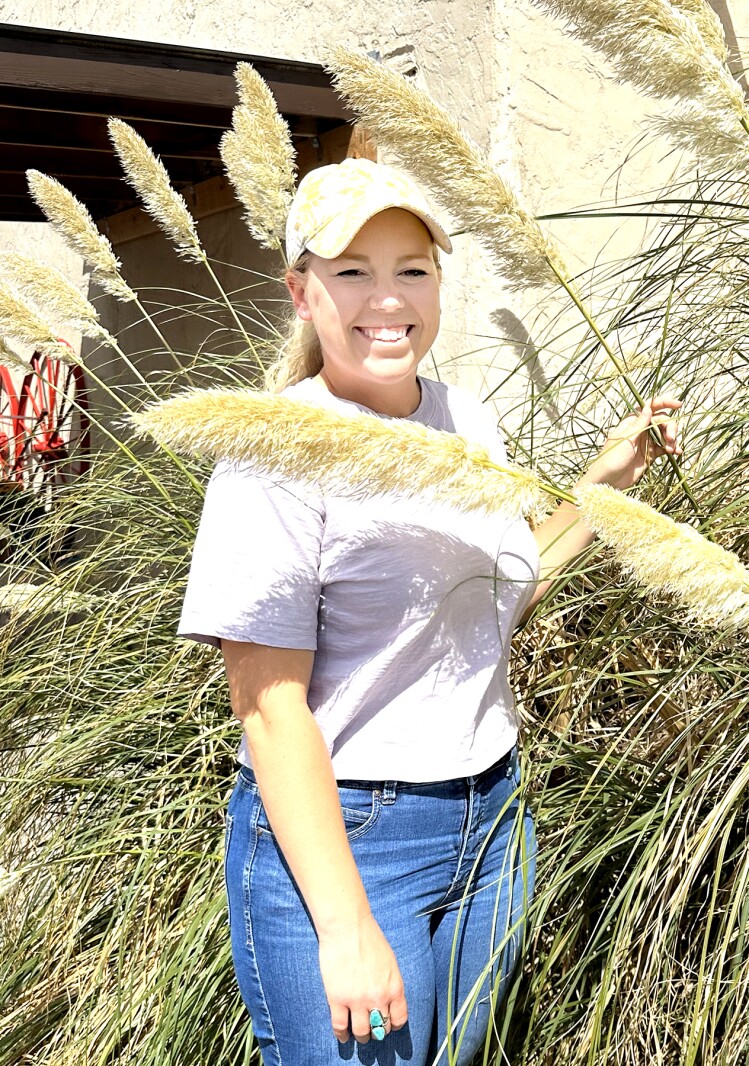
WORTHINGTON — As the growing season winds down here in Zones 4b and 5, fall offers a natural pause — a chance to take stock of the year in the garden, wrap things up with care, and lay the groundwork for next spring.
One of the best things you can do right now is just take a minute to reflect. Grab a notebook or your phone and walk through your garden — make a few notes about what worked and what didn’t.
For me, this was the year I completely fell in love with dahlias.
Some varieties just took off and bloomed nonstop. Amaranth was another surprise favorite — tall, unique, super pollinator-friendly. Both added such a fun twist to my usual bouquets. But not everything was a win. My snapdragons and bachelor buttons were disappointing. Whether it was the weather, spacing or timing, I’ll be noting those struggles to make adjustments next season.
Once you’ve made your notes, it’s time to think about cleanup. Removing spent, diseased or pest-infested plant material is important to reduce the chances of problems carrying over into next year. This is especially critical for vegetables and any plants that showed signs of mildew, rust or insect damage. That said, not everything needs to be cleared away.
Many beneficial insects and native pollinators overwinter in plant debris. Leaving some healthy “garden litter” — like hollow stems, dried flower heads and a few undisturbed corners — can provide shelter and nesting spots. It’s a simple but effective way to support biodiversity in your backyard.
Fall is also the ideal time to divide perennials that may be getting crowded or losing vigor. How do you know when a plant is ready to be divided? Signs include reduced blooming, a bare or dying center or the plant spreading beyond its original space. Common candidates include daylilies, hostas, irises, rudbeckia and peonies. Dividing helps rejuvenate the plant and improve overall performance. As an added bonus — you’ll end up with more plants to enjoy or share with friends.
Now is also a great time to get your soil tested. Most university extension labs are less busy in the fall, which means faster turnaround times — and fewer surprises come spring. A basic test will tell you your soil’s pH and nutrient levels, helping you make better decisions about amendments and fertilizers.
Don’t forget to dream a little. Fall is the perfect time to start planning next year’s garden. Flip through seed catalogs, sketch out new bed ideas or research new varieties you’ve been curious about. Gardens are always evolving — and every season teaches us something new.
Comments are closed.