
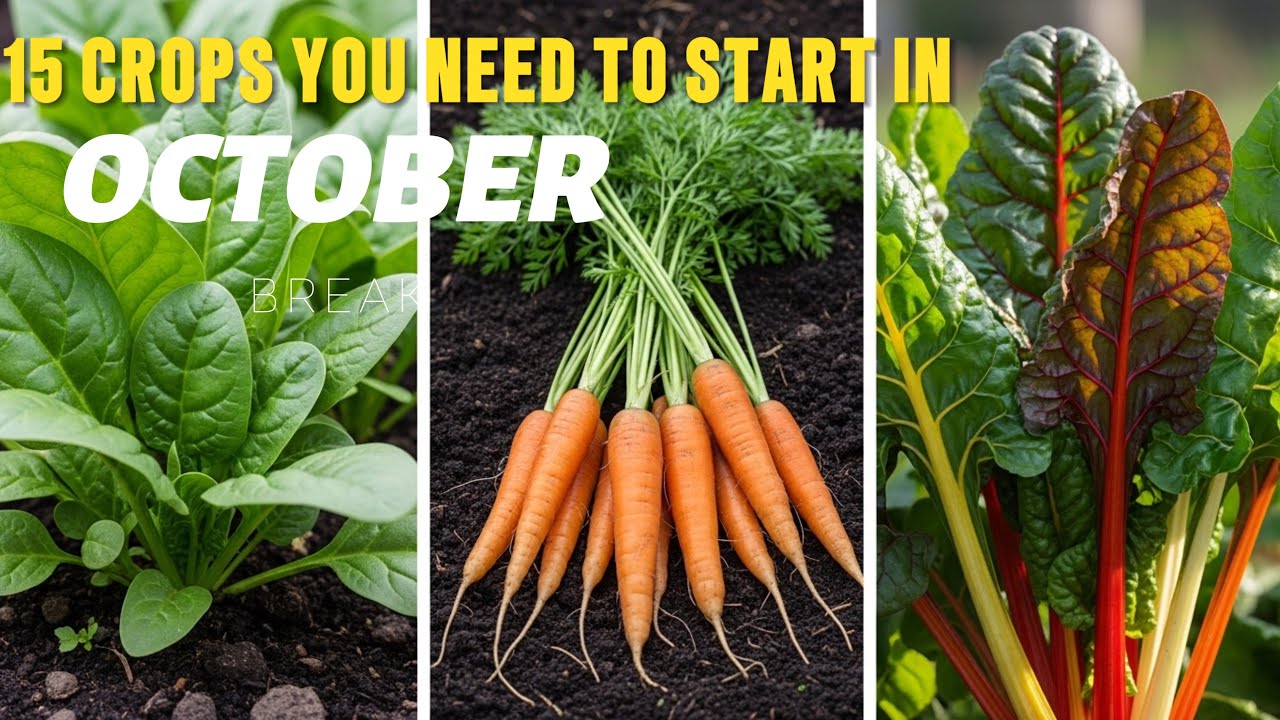
In this video, we will explore the most essential crops to plant in October for a thriving urban gardening experience. Whether you have a small backyard or a large raised bed gardening space, we will cover the best plants to grow during this time of year. October is a great month to plant a variety of crops, and with the right techniques and knowledge, you can enjoy a bountiful harvest.
We will discuss the benefits of raised bed gardening and how it can be used to grow a wide range of plants, from leafy greens to root vegetables. By following our tips and advice, you can create a successful and productive urban gardening space that will provide you with fresh produce all year round.
So, if you’re looking to get started with gardening or want to improve your existing garden, this video is for you. Learn how to make the most of your gardening space and start planting the most essential crops in October for a successful harvest.
Perfect for:
#UrbanGardening
#RaisedBedGardening
#OctoberPlanting
#GardeningTips
#GardeningTipsForBeginners
#Garden
#GardeningIdeas
#DoItYourself
#HowToGrow
#Organic
#VegetableGardening
#BeginnerGardening
#TheMillennialGardener
#GardenHacks
#EpicGardening
#Vegetables
#GardeningForBeginners
#GardeningTipsAndTricks
#OrganicGardeningTips
#BackyardGardening
October is here and if you want a garden full of fresh homegrown produce before winter hits, now is the perfect time to start. Today I’m going to show you 15 crops you absolutely need to plant this month. All easy to grow indoors, even if you’ve never gardened before. Welcome back to Green Haven Homes, where we make gardening simple, fun, and productive. Whether you have a sunny window sill or a small indoor space, these tips will help you enjoy fresh greens, herbs, and veggies all season long. Before we dive in, make sure to hit that subscribe button and turn on notifications so you never miss a quick, easy gardening hack. And if you’re excited to start growing these crops this October, give this video a thumbs up. It helps us bring you even more helpful content. Crop number one, spinach. Spinach is one of the easiest and fastest growing crops you can start indoors in October. It thrives in cooler temperatures, making it perfect for this time of year, and you can enjoy fresh, tender leaves in just a few weeks. Choose a shallow container with good drainage and fill it with nutrient-rich potting mix. Sew the seeds about half an inch deep, keeping them evenly spaced, and place the container near a bright window or under a grow light. Spinach loves consistent moisture, so water gently to keep the soil damp but not soggy, and you’ll see seedlings popping up in no time. Once your spinach begins to grow, make sure to give it plenty of light to encourage strong, healthy leaves. You can start harvesting the outer leaves once they’re big enough, allowing the inner leaves to keep growing for a continuous supply. Adding a layer of mulch on top of the soil can help retain moisture and keep roots cool. Spinach also responds well to occasional feeding with a balanced liquid fertilizer, which will keep your indoor crop thriving throughout the season. With just a little care, you’ll have fresh homegrown greens ready for salads, smoothies, or sautes all October and beyond. Crop number two, letuce. Lettuce is a perfect indoor crop to start in October because it grows quickly and doesn’t require much space. Choose a compact variety like butterhead or loose leaf which thrive in containers on window sills or underrow lights. Fill a shallow tray or pot with well- draining potting mix and sew the seeds thinly covering them lightly with soil. Keep the soil consistently moist, but avoid overwatering as soggy soil can cause the seeds to rot. Within a week or two, you’ll start seeing tiny green sprouts emerging, bringing your indoor garden to life. Once your lettuce begins to grow, make sure it gets plenty of light to prevent the leaves from becoming leggy. You can start harvesting outer leaves once they reach a usable size, which encourages new growth in the center. Rotate the container every few days, if using natural sunlight to ensure even growth, and consider a mild liquid fertilizer every couple of weeks to keep the leaves tender and flavorful. With these simple steps, you’ll enjoy a steady supply of crisp, fresh lettuce for salads, sandwiches, or garnishes straight from your indoor garden all season long. Crop number three, kale. Kale is a nutrient-packed, cold tolerant green that’s perfect for indoor gardening in October. It grows well in containers and can handle cooler indoor temperatures, making it ideal for the fall season. Start by choosing a compact variety like dwarf blue curled or lassenado which thrive in pots. Fill a medium-sized container with rich well- draining potting soil and sew the seeds about half an inch deep. Keep the soil consistently moist and place your container in a bright spot where it can get at least 6 hours of indirect sunlight or use a grow light to ensure healthy growth. As the kale seedlings develop, thin them out so each plant has enough room to grow strong, full leaves. Harvest the outer leaves regularly once they are large enough, which encourages continuous growth from the center. Kale responds well to a light feeding of liquid fertilizer every few weeks, which keeps the leaves tender and flavorful. With minimal effort, you can enjoy a steady supply of fresh kale for smoothies, sautes, or salads, bringing vibrant greens to your indoor garden. all throughout the colder months. Crop number four, radishes. Radishes are one of the fastest growing crops you can start indoors in October, making them perfect for gardeners who love quick results. They don’t require deep containers, so even a small pot or tray works well. Fill your container with light, well- draining soil and sew the seeds about half an inch deep, spacing them evenly. Keep the soil consistently moist as radishes need steady hydration to develop crisp, tender roots. Within just 3 to four weeks, you’ll be able to harvest your first radishes, bringing fresh, peppery flavor straight to your kitchen. To keep your radish crop thriving, make sure they get plenty of light either near a sunny window or under a grow light. Thin seedlings as they grow to prevent overcrowding, which ensures that each root develops properly. You can enjoy the roots raw in salads or roasted. And don’t forget the greens, which are also edible and packed with nutrients with minimal space and care. Radishes are a rewarding crop that gives you fast results and adds variety to your indoor garden this October. Crop number five, carrots. Carrots are a classic favorite and can be grown successfully indoors in October, especially if you choose short or mini varieties. They need deeper containers to allow the roots to develop properly. So, pick a pot that’s at least 8 10 in deep. Fill it with loose, well- draining soil to prevent the roots from becoming misshapen. Sew the seeds thinly, about a/4 in deep, and keep the soil consistently moist. Patience is key, as carrots take a bit longer to mature than leafy greens, but the reward of sweet, crunchy roots is well worth it. Once the seedlings emerge, thin them carefully so each carrot has enough space to grow strong and straight. Carrots love consistent moisture, so check the soil regularly, but avoid overwatering, which can cause the roots to rot. A light feeding with a balanced liquid fertilizer every few weeks encourages steady growth. With the right care, you’ll be harvesting fresh homegrown carrots in about 8 10 weeks. Perfect for snacking, roasting, or adding to your favorite indoor garden meals. Crop number six, Swiss chard. Swiss chard is a colorful and versatile leafy green that grows beautifully indoors in October. Its vibrant stems add a pop of color to any indoor garden, and it thrives in cooler temperatures. Choose a medium-sized container with well- draining, nutrient-rich soil, and sow the seeds about half an inch deep. Keep the soil consistently moist and place the container near a bright window or under a grow light to ensure strong, healthy leaves. Swiss chard is forgiving, making it a great choice for both beginner and experienced gardeners. As the plants grow, harvest the outer leaves regularly to encourage continuous growth from the center. Swiss chard tolerates lower light than many other leafy greens, but make sure it still receives a few hours of bright light daily for optimal flavor and texture. You can use the leaves in salads, sautes, or soups, and even the colorful stems are edible and delicious. With minimal maintenance, Swiss chard will provide fresh, nutrient-rich greens throughout October and into the cooler months, keeping your indoor garden lively and productive. Crop number seven, green onions. Green onions are one of the easiest and most rewarding crops to grow indoors in October. They don’t require deep containers, and you can even regrow them from kitchen scraps. Simply plant the white root ends in a small pot filled with well- draining soil and place them near a sunny window or under a grow light. Keep the soil moist but not water logged. And in just a couple of weeks, you’ll see fresh green shoots emerging, ready to add flavor to your meals. One of the best things about green onions is their ability to regrow continuously. Once you harvest the tops, the roots will keep producing new shoots, giving you a nearly endless supply of fresh greens. Rotate the container occasionally for even growth. And if you like, add a light feeding of liquid fertilizer every few weeks to encourage strong, tender shoots with very little effort. Green onions provide fresh flavor for salads, soups, and stir fries right from your indoor garden all October long. Crop number eight, beets. Beets are a dualpurpose crop that gives you both tasty roots and nutritious greens, making them perfect for indoor gardening in October. Choose a deep container to allow the roots to grow fully, and fill it with loose, well- draining soil. Sew the seeds about half an inch deep and space them evenly to prevent overcrowding. Keep the soil consistently moist and place your container in a bright spot with plenty of indirect sunlight or under a grow light to encourage strong growth. Within a few weeks, you’ll begin to see leafy greens sprouting above the soil. As your beet plants develop, thin the seedlings carefully to give each root enough space to mature properly. The greens can be harvested early for salads or sautes while the roots are ready to dig up in 8 10 weeks. Beets respond well to light feeding with a balanced liquid fertilizer, which promotes tender, flavorful greens and robust roots. With a little attention, beets provide a colorful and nutritious addition to your indoor garden this October, giving you both vibrant leaves and sweet, earthy roots to enjoy. Crop number nine, garlic greens. Garlic greens are an easy and flavorful crop to grow indoors in October, and they require very little space. Instead of waiting months for full garlic bulbs, you can plant individual cloves in small pots filled with well- draining potting soil. Place the cloves pointy side up and cover them lightly with soil. Keep the soil consistently moist and position the pots near a sunny window or under a grow light. Within a couple of weeks, bright green shoots will begin to emerge, ready to harvest and add a fresh garlic flavor to your dishes. Harvesting garlic greens is simple. Snip the shoots as needed, and they will continue to grow back for several weeks. These greens are perfect for salads, soups, and stir fries, providing the flavor of garlic without the long wait for bulbs to mature. Rotate the pots for even light exposure, and occasionally feed with a mild liquid fertilizer to keep the shoots tender and healthy. With minimal effort, garlic greens will give your indoor garden a flavorful boost throughout October and beyond. Crop number 10, herbs. Basil, parsley, and cilantro. Fresh herbs are a must-have for any indoor garden, and October is the perfect time to start basil, parsley, and cilantro indoors. Choose small to medium-sized containers with well- draining potting mix and sow the seeds according to the packet instructions. Place the containers in a bright spot where they can receive at least 6 hours of indirect sunlight, or use a grow light for consistent growth. Keep the soil evenly moist and within a few weeks you’ll have vibrant green herbs ready to elevate your meals. To encourage bushier, healthier plants, pinch off the tips of your herbs regularly, which promotes branching and prevents legggininess. Rotate the pots every few days to ensure even light exposure and feed them occasionally with a balanced liquid fertilizer to keep growth strong and flavorful. These herbs are perfect for adding fresh flavor to salads, soups, sauces, and more. And with minimal care, they’ll provide a continuous supply of fragrant homegrown greens all through October and beyond. Crop number 11, micro greens. Micro greens are one of the fastest growing and most nutrient-packed crops you can start indoors in October. They require very little space and can be grown in shallow trays filled with a light, well- draining potting mix or even a hydroponic medium. Sprinkle the seeds evenly across the surface and lightly press them into the soil. Keep the soil moist and place the trays in a bright window or under a grow light. In just 7 to 14 days, you’ll be able to harvest tiny, flavorful shoots packed with vitamins and minerals. The beauty of micro greens is that they grow quickly and can be harvested repeatedly. Simply snip the greens at the base when they’re about 2 three in tall and enjoy them fresh in salads, sandwiches, or as a garnish. Rinse the trays gently after each harvest and continue watering to encourage another round of growth. With minimal effort and a small space, micro greens provide a continuous supply of fresh, vibrant greens to brighten your indoor garden this October. Crop number 12, peas. Peas, especially snow peas and sugar snap varieties, are a fantastic crop to start indoors in October. They thrive in cooler conditions and don’t mind shorter days, making them well suited for the fall season. Choose a deep container with good drainage and fill it with loose, nutrient-rich soil. Sew the seeds about an inch deep and provide them with consistent moisture. Within a week or two, you’ll see seedlings emerging. And with the right care, they’ll quickly climb and flourish in your indoor space. To support your peas, give them a small trellis, sticks, or even string for climbing. As they grow, keep them in bright light, either from a sunny window or a grow light for at least 6 hours a day. Once the plants begin to flower, you’ll know your pods aren’t far behind. Harvest peas when they’re crisp and tender. And don’t forget that young peashoots are edible, too, offering a fresh, sweet flavor for salads and stir fries. With their fast growth and rewarding harvest, peas are a perfect addition to your October indoor garden. Crop number 13, broccoli sprouts. Broccoli sprouts are one of the simplest and most nutritious crops you can grow indoors in October. They don’t require soil or even much space, just a clean jar, some sprouting seeds, and a little water. Rinse the seeds and soak them overnight. Then drain and place them in the jar with a breathable cover. Rinse and drain them twice daily, keeping the jar in a spot with indirect light. In just 5 to 7 days, you’ll have fresh, crunchy sprouts ready to harvest. Packed with powerful nutrients, these tiny greens are rich in vitamins, minerals, and antioxidants, making them a superfood addition to your meals. They’re perfect for adding to sandwiches, salads, smoothies, or as a garnish on warm dishes. Because they grow so quickly, you can stagger your sprouting jars to ensure a constant supply. Broccoli sprouts take almost no effort yet provide enormous health benefits, making them one of the best crops to start in October for an indoor garden that’s both easy and productive. Crop number tomatoes. Tomatoes may not be the first crop that comes to mind for indoor gardening in October, but small varieties like cherry or grape tomatoes thrive indoors with the right care. Start by choosing a medium to large pot with excellent drainage and fill it with rich, well-arrated soil. Plant your seeds or young seedlings and place them in the brightest spot you have, ideally near a south-facing window or under strong grow lights. Tomatoes need consistent warmth and light. So, keeping them in a cozy environment is key to encouraging strong growth and healthy flowering. As the plants develop, support them with stakes or small cages to help hold their vines upright. Water regularly, but avoid letting the soil become soggy as tomatoes are prone to root issues. Prune off lower leaves to improve air circulation and encourage the plant to focus its energy on producing flowers and fruit. With patience and care, you’ll be rewarded with clusters of juicy, sweet tomatoes, perfect for snacking, salads, or cooking, bringing a taste of summer to your indoor garden in October. Crop number 15, peppers. Peppers, especially smaller varieties like mini bell peppers or chili peppers, are a fantastic crop to start indoors in October. They love warmth and bright light, so choose a sunny window sill or supplement with grow lights for at least 6 to 8 hours a day. Plant the seeds in a medium-sized pot filled with well- draining soil and keep the soil evenly moist while the seeds germinate. Within a couple of weeks, you’ll see seedlings appear. And with the right environment, they’ll grow into strong, productive plants. As your pepper plants mature, give them support with small stakes if needed, and feed them every few weeks with a balanced liquid fertilizer to encourage flowering and fruiting. Keep them away from cold drafts since peppers thrive in steady warmth. Once the plants begin producing, you’ll have a steady supply of colorful, flavorful peppers to harvest. Perfect for spicing up meals or enjoying fresh. With just a little care, peppers can bring both beauty and bold taste to your indoor garden this October. Now that we’ve covered the 15 crops you should be planting in October, let’s take a moment to talk about a few simple but powerful indoor gardening tips that will keep all your plants thriving. First, container choice matters more than you think. Leafy greens like spinach and lettuce do fine in shallow trays, but root crops like carrots and beets need deeper pots to grow properly. Always make sure your containers have good drainage holes because excess water is the fastest way to kill an indoor garden. Light is another key factor. Most crops need at least 6 hours of bright light daily. If your space doesn’t get enough natural sun, invest in affordable grow lights to keep your plants strong and healthy. Watering is just as important. Keep the soil moist, not soggy. And always check with your finger before adding more water. A light layer of mulch on top of the soil can help retain moisture and regulate temperature. Finally, don’t forget about air flow. Even indoors, plants need fresh air circulation to prevent mold, pests, and disease. A small fan on low speed can make all the difference. With these simple tips, you’ll keep your October crops growing steadily and producing fresh food right through the season. And there you have it. 15 amazing crops you can start indoors this October, plus simple tips to keep your garden thriving all season long. From fast growers like radishes and micro greens to steady producers like tomatoes and peppers, these plants will fill your kitchen with fresh homegrown food even as the weather outside cools down. Indoor gardening doesn’t have to be complicated. With the right containers, a little light, and consistent care, you can harvest delicious greens and vegetables straight from your window sill. If you found this video helpful, make sure to give it a thumbs up and share it with fellow gardeners who want to keep growing this fall. Don’t forget to subscribe to Green Haven Homes and hit that notification bell so you never miss a new gardening guide. And be sure to join us next week when I’ll be sharing creative Dollar Tree hacks to make your indoor gardening even easier and more affordable. Until then, happy planting and may your October garden be full of life and flavor.
2 Comments
Is it possible to provide a new plant (from seed) too much LED lighting? Do the LED colors matter, is red or green or blue any better than the others?
This was surprisingly useful.