
Special to The Columbus Dispatch

7 Garden Insects That Actually Help Your Plants Thrive
Not all garden bugs are pests. Some are vital helpers that pollinate plants or control harmful insects, making your garden healthier.
unbranded – Lifestyle
Editor’s note: Once a month, OSU Extension Master Gardener Volunteers in Franklin County profile a plant that occurs naturally in central Ohio.
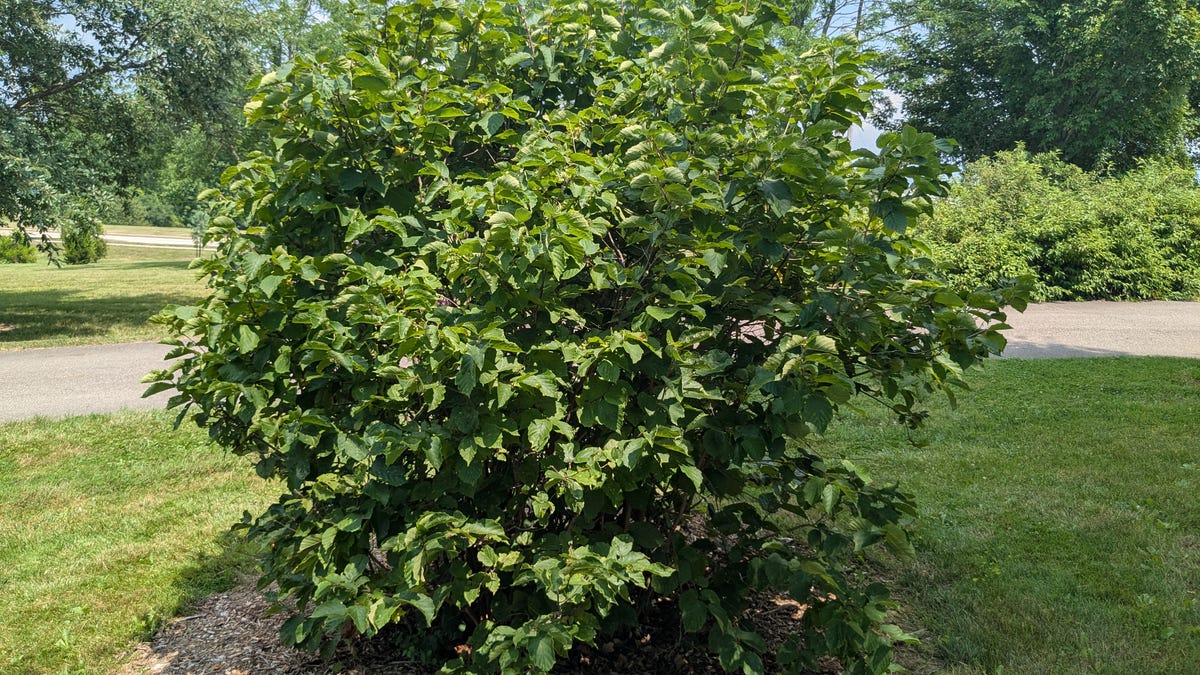
A lovely low-maintenance native shrub, American hazelnut, Corylus americana, will add some character and increase the ecological value of any landscape. This fast-growing shrub averages 13-14 inches of new growth annually, maxing out at around nine to 12 feet tall. It is naturally found in rocky woodlands, forests and edge habitats throughout Ohio and much of the eastern half of North America. While it is an adaptable generalist species, it prefers moist, well-drained soil. Full sun conditions will also yield the highest nut production.
The nuts produced by this tree are arguably the source behind most of its popularity. The edible nuts reach maturity in fall and are a highly prized food item by both humans and animals alike. Known as the Nutella tree, American hazelnuts are the source of this delightfully hazelnutty spread many know and love.
Another moniker, American filbert, derived from a German word meaning “full beard,” describes the hairy husk that encloses the nut. This unique leaf-like casing is often green or brown and encapsulates the prized nut. Nuts of this shrub can be harvested while still green, and doing so eliminates much of the competition with wildlife. Valued by songbirds, white-tailed deer, foxes, many game birds and small mammals, fall is an important time for food collection.
This deciduous shrub flowers in late February to early April and is largely pollinated by the wind. The drooping catkins display through winter adding winter interest and the female bud-like flowers receive the pollen. Both male and female flowers are present on the same plant, making American hazelnut monoecious.
Vivid autumn colors ranging from brick red to combinations of yellow, orange and greens are showcased in the fall. No matter the season, the general growth pattern is upright and suckering. This also results in excellent shelter for wildlife, particularly birds as it creates a dense multi-stemmed habitat.
It is a nice shrub for naturalizing a landscape and provides erosion control, a benefit for landowners and wildlife. Several members of Lepidoptera benefit from American hazelnut as it is a host plant for numerous, including the exquisite luna moth and cecropia moths.
Adding the American hazelnut to a home landscape would be a sound choice and a win for wildlife.
Growing conditions
Hardiness zones: USDA zones 4-9
Sun: Partial shade to full sun
Water: mMoist, well-drained
Propagation: Cutting
Pests and disease: None serious
Comments are closed.