

Pruning is a common task for gardeners in the autumn but there are several mistakes you should be aware of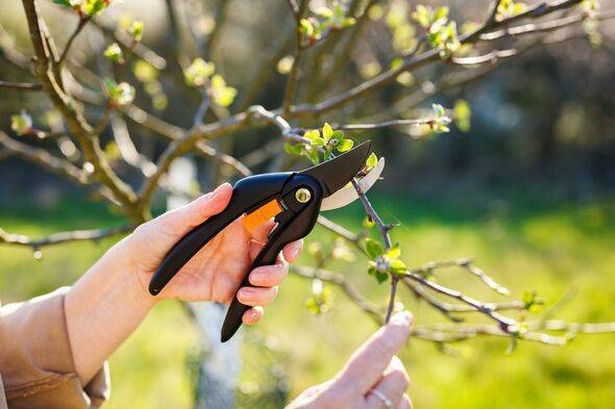 Fruit bushes will gain from being thinned out(Image: Getty)
Pruning is a common task that gardeners undertake in autumn – but it’s one that can be done incorrectly if you’re not careful.
One of the most crucial things to remember when it comes to pruning is that different plants have different needs. This includes everything from precisely when they are pruned and by which method.
Therefore, employing a one-size-fits-all approach in your garden can result in damaging your plants and even affecting next year’s bloom. So, what errors should you be cautious to avoid?
According to the experts from Gardener’s World, there are seven mistakes gardeners should be careful not to make, reports the Mirror.
Pruning at the incorrect time of year
While most plants are best pruned during winter, this isn’t always the case. Some plants, like cherry and plum trees, are better pruned during summer, while spring-flowering shrubs should be pruned after they flower.
Pruning excessively
Since pruning involves removing stems and leaves, key ways plants absorb nutrients, Gardener’s World warns that being too enthusiastic with the shears can result in roots dying back – and can even take the tree several years to recover. Instead, you should prune less, but regularly.
Not pruning above a node
It’s advised to always cut above the plant node, as it encourages new growth, prevents disease, and shapes the plant.
Gardener’s World advises: “Don’t cut too closely above a node as this can damage it, but avoid leaving more than 1cm above the node as you will leave an unsightly stump, which can’t grow and may therefore die.”
Neglecting to clean secateurs
Though it’s easy to forget, Gardener’s World recommends taking the time to clean your secateurs, as clean and sharp pruning tools are more effective, last longer and are safer to use than those which are dirty and blunt.
Avoiding angled cuts
You should always cut branches at a downwards angle when pruning, so that when it rains water runs quickly off the wound – otherwise, you risk fungal infections entering the plant by cutting it flat.
Ignoring canker
This airborne bacterial disease is known to infect trees via damaged wood and can shorten their lifespan. Therefore, it’s crucial to cut it off when you spot it.
Overlooking dieback
Dieback is the progressive death of shoots, branches, or other end-parts of a woody plant, often starting from the tips and moving inward. It has multiple potential causes, such as disease and damage, but it’s important to remove it as it can potentially be infected by fungi.
Comments are closed.