
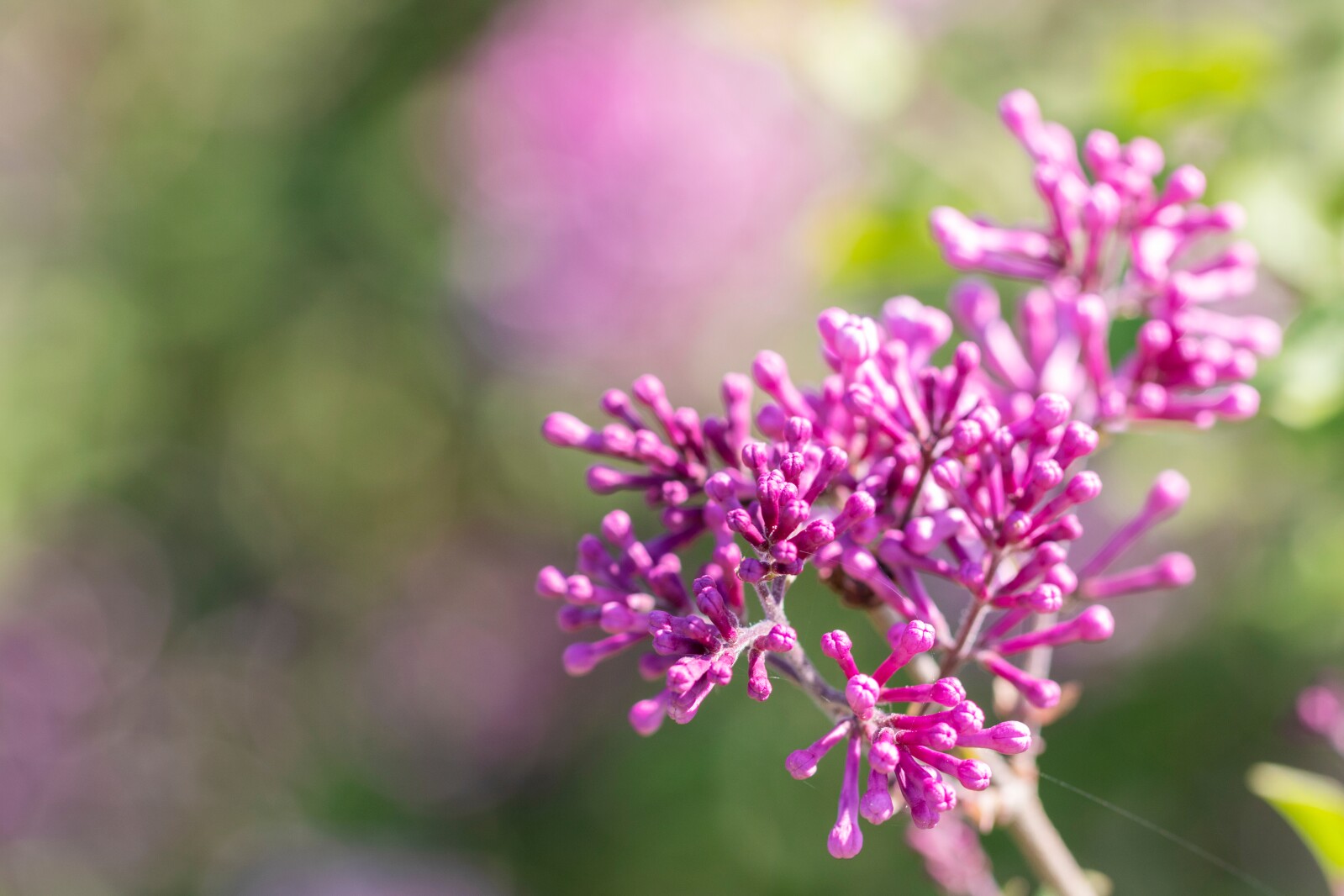
Dear Master Gardener: I just planted a Bloomerang lilac. Do I need to protect it over the winter since it is newly planted?
Answer: Great choice! Bloomerang lilac has a lot of flower power and is a reblooming lilac. It blooms in spring with other lilacs and again from mid-summer through fall. The flowers are a beautiful shade of purple and sweetly scented. Bloomerang also has exceptional disease resistance. Yes, you should protect it over the winter by applying a 3- to 4-inch layer of mulch around the base to insulate the roots and maintain consistent soil temperature. Make sure the mulch is a few inches away from the trunk. Keep the lilac well-watered until the ground freezes.
Dear Master Gardener: I am growing peonies for the first time. Am I supposed to cut them down in the fall?
Answer: Cut back peonies after the foliage has been destroyed by a hard freeze. I wait until the foliage has fallen over and is lying on the ground. Cut off the stems near ground level; I leave about 3 inches of stem. For intersectional hybrid peonies I leave 4-5 inches of stem. Cutting peonies in the fall helps remove foliar diseases like powdery mildew and reduce infection next year. Make sure to clean up around the plants, especially if your plants had any problems. Don’t compost any diseased foliage.
Dear Master Gardener: The temperatures are still in the 80s, so I am wondering if I can still plant some perennials while they are significantly on sale. How late can I keep planting them?
Answer: Fall is actually a great time to plant perennials — and shrubs and trees! Plant them up to three to four weeks before the ground freezes so the roots have time to establish. Keep them well-watered.
Dear Master Gardener: I was thinking of planting some turtlehead plants in my shade garden for late season bloom. Is it a good choice?
Answer: It depends. Turtleheads (Chelone) are long-blooming, late season perennials that prefer light shade. They will not do well in full shade — the stems will be lanky and fall over and the plants will have very few flowers. They need to be planted where they will receive 3-6 hours of sunlight — morning sunlight is best; afternoon sunlight is too intense. The other thing to keep in mind about turtleheads is moisture. They are ideally suited to a rain garden because they need consistently moist soil. They should never be allowed to dry out. If you can provide light shade and lots of moisture then they are a good choice.
Pick tomatoes and peppers and bring them inside as soon as there is a threat of frost. Peppers will not ripen further, but they are tasty at any stage of development. Tomatoes ripen well indoors. To ripen them, spread them out away from direct sunlight. Do not refrigerate them or they will lose flavor.Plant tulips, hyacinths and miniature daffodils in shallow containers to force for winter bloom. Place the containers in a cool dark place for approximately three months. After this cold treatment, place the bulbs in bright sunlight for three to four weeks. Bulbs started in the middle of this month should bloom around mid-February.Protect hybrid teas and other roses that are not hardy here around mid-month. Although with the recent summer-like temperatures, it may be later. Keep an eye on the weather because canes are damaged or killed when temperatures drop below 20 degrees. Mounding soil over the crowns or tying canes together then tipping them into trenches is more work, but more effective than using Styrofoam rose cones. In fact, cones are no longer recommended because they trap moisture and may cause fungal problems. Rake leaves over the base of hardy roses.Cover strawberry plants with clean straw to protect the crowns after several nights of temperatures in the mid-20s. This will allow the plants to go dormant.Cabbage family vegetables such as kale, kohlrabi, broccoli and Brussels sprouts will develop a milder flavor when exposed to a frost before harvesting them.Continue watering your lawn as needed to minimize turfgrass water stress going into winter. Gradually reduce mowing height to 2-1/2 inches until grass goes dormant. Long grass left through winter will fold over under the weight of snow and form humid pockets that favor the growth of snow mold. To minimize snow mold, rake up thick mats of leaves and compost. If there aren’t many leaves go ahead and mow them in.Don’t panic if your evergreen trees and shrubs lose their innermost needles in the fall — it doesn’t mean they are diseased. It is normal for inner growth to turn yellow or rust-colored, then drop to the ground. These are the oldest needles; new ones will develop next spring.Store your favorite geraniums in pots over the winter. Put them by a basement window or under fluorescent lights. Water often enough to keep them from shriveling. You can also try storing them bare root in paper bags in a cool basement, but you need to cut them back and repot them in early spring to get them ready to go outdoors once the threat of frost has passed.Pumpkins have almost no frost tolerance and must be harvested or protected if frost is forecast. Leave a few inches of stem attached when you pick pumpkins. Wipe them clean with a damp, slightly soapy cloth, then put them in a warm sunny spot for a week or two to cure them. Store them in a cool, dark place.The best time to plant garlic in Minnesota is within one to two weeks after the first killing frost. In Minnesota, the hardneck type of garlic is most commonly grown. Separate individual cloves one or two days before planting. Plant them pointed side up with the base of the clove 2-3 inches from the soil surface, 6 inches apart, in double rows. Cover area with 3-4 inches of chopped leaves or straw mulch, then remove it in the spring after the threat of hard freezing is over.
You may get your garden questions answered by calling the new Master Gardener Help Line at 218-824-1068 and leaving a message. A Master Gardener will return your call. Or, emailing me at
umnmastergardener@gmail.com
and I will answer you in the column if space allows.
University of Minnesota Extension Master Gardeners are trained and certified volunteers for the University of Minnesota Extension. Information given in this column is based on university research.
Comments are closed.