
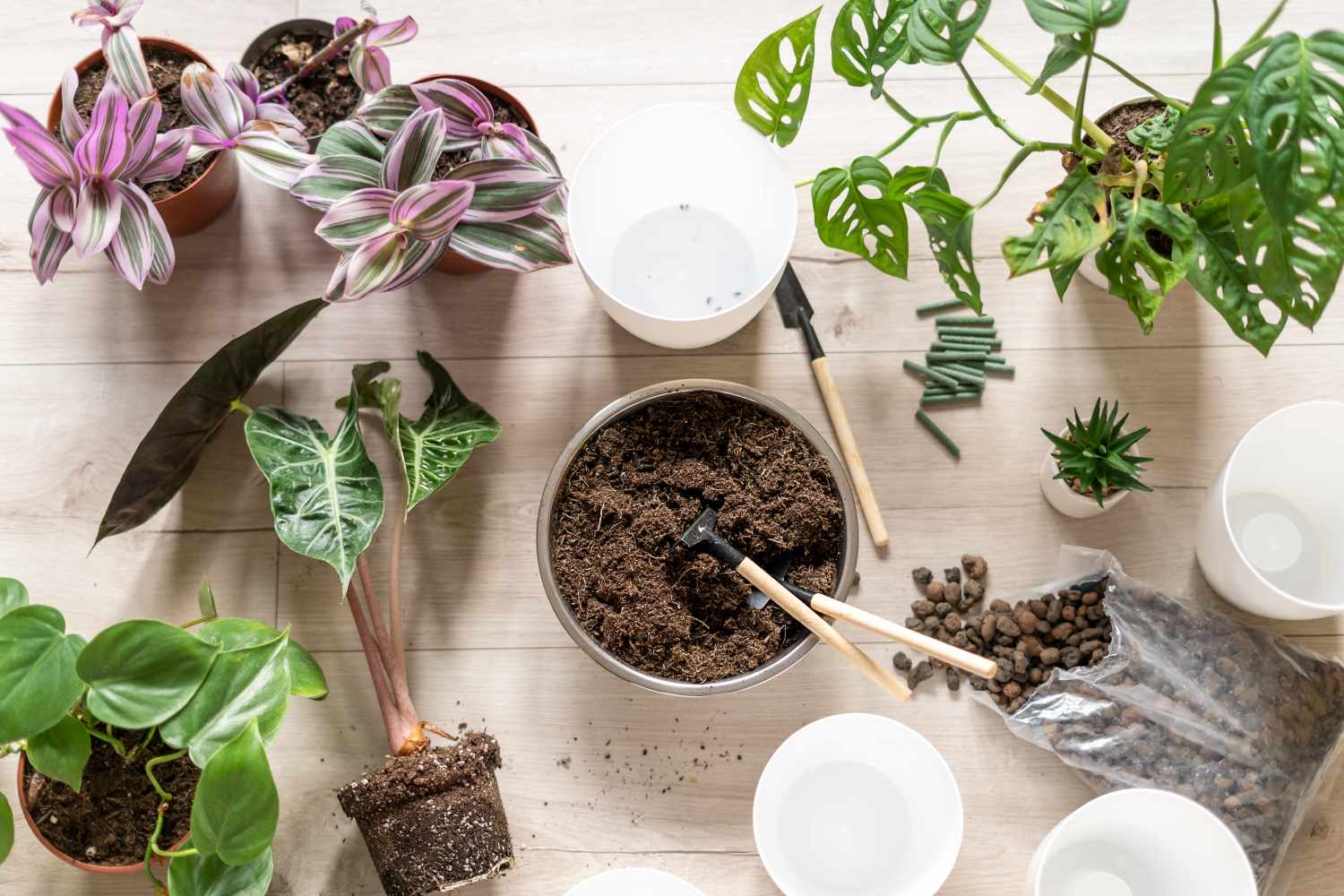
Timing is everything when it comes to outdoor gardening. It’s crucial to follow the right timing for planting, watering, harvesting, pruning, deadheading—and doing pretty much anything—to ensure success in your outdoor garden. For indoor gardening, however, the schedules are a little less rigid. Yet when it comes to repotting your houseplants, gardening experts say timing does matter. Repotting your plant at the wrong time could add stress and keep it from growing strong.
So, here’s when you should and shouldn’t repot your houseplants to ensure you maintain a healthy and thriving indoor garden.
When Is the Best Time to Repot Your Houseplants?
You may think that indoor gardening has no “season” in the way outdoor gardening does, but that’s not exactly true. Houseplants still have active and inactive growth periods, similar to outdoor plants, and this affects the ideal timing for repotting.
“The best time to repot houseplants is during their active growing season, which is typically in spring or early summer, because the plant can recover more quickly and establish its roots in fresh soil,” says Petar Ivanov, gardening and plant expert at Fantastic Gardeners.
“This time of the year typically brings warmer temperatures, longer days, and more intense sun—all of which help stimulate houseplant growth,” says Justin Hancock, horticulturist at Costa Farms. “Repotting just before or as your plants are actively growing can help them recover from any repotting stress faster and makes it less likely that you inadvertently overwater them right after repotting.”
When Should You Avoid Repotting Your Houseplants?
With extra time spent inside, cold-weather seasons can be the perfect time to tackle a lot of household tasks—just not repotting.
“As tempting as it is to give [plants] a fresh new home, fall and winter are actually the worst seasons to repot your leafy companions,” says Ryan Nash, plant expert and seller on Palmstreet. “As summer daylight fades and temps drop, most houseplants enter a slower growth period, and the last thing they need is pot-moving and heavy trauma on their gentle roots and stems. That extra stress can cause wilting, leaf drop, or even worse, death.”
Ivanov adds that the extra stress from repotting in winter can also make plants more susceptible to disease.
Excess moisture can also be an issue when repotting in the winter, since plants require a thorough watering after moving to new pots. “Because you want to keep the potting mix moist after repotting, it can also be a more delicate balance between giving the root system the extra moisture it needs to cope with repotting without adding more moisture than the plant can drink up, which can lead to root rot issues,” Hancock says.
However, he says this isn’t an absolute rule. “If your plant is showing signs of stress from being rootbound, you can repot, even in winter,” Hancock says. You’ll just need to take extra care to ensure your plant doesn’t get root rot and stays healthy post-move. Plus, he adds that if you use grow lights in the winter to keep your plants actively growing during the colder months, then winter repotting shouldn’t be an issue.
More Factors to Consider Before Repotting a Plant
Timing isn’t the only factor to consider when deciding whether or not to repot a houseplant. Since repotting can add stress to a plant, it’s important to make sure the plant is ready to be moved to a new pot before you uproot it.
“When deciding when to repot a houseplant, first, consider its root health,” Ivanov says. “Look for any signs of it being root-bound, such as the roots circling the pot or growing out of the drainage holes. Also, factor in the plant’s size in relation to its current pot size, the quality of the soil, and whether the plant shows slowed growth or nutrient deficiencies.” All of these factors could tell you whether or not the plant is ready to be repotted.
In some instances, a plant may seem like it needs a new pot, but isn’t quite strong enough for a move at the same time. If a plant is struggling from pests or disease, Ivanov says it’s best to avoid repotting it, because that can further shock the plant, preventing it from getting healthy.
Hancock also emphasizes the importance of repotting a plant in the right-sized container. “Generally, if your houseplant isn’t yet rootbound, try to repot in a similar-sized container rather than sizing up,” he says. “If you repot into a planter that’s too large, the potting mix may hold more moisture than the plant’s root system can drink up, potentially leading to overwatering issues and root rot.”
Comments are closed.