
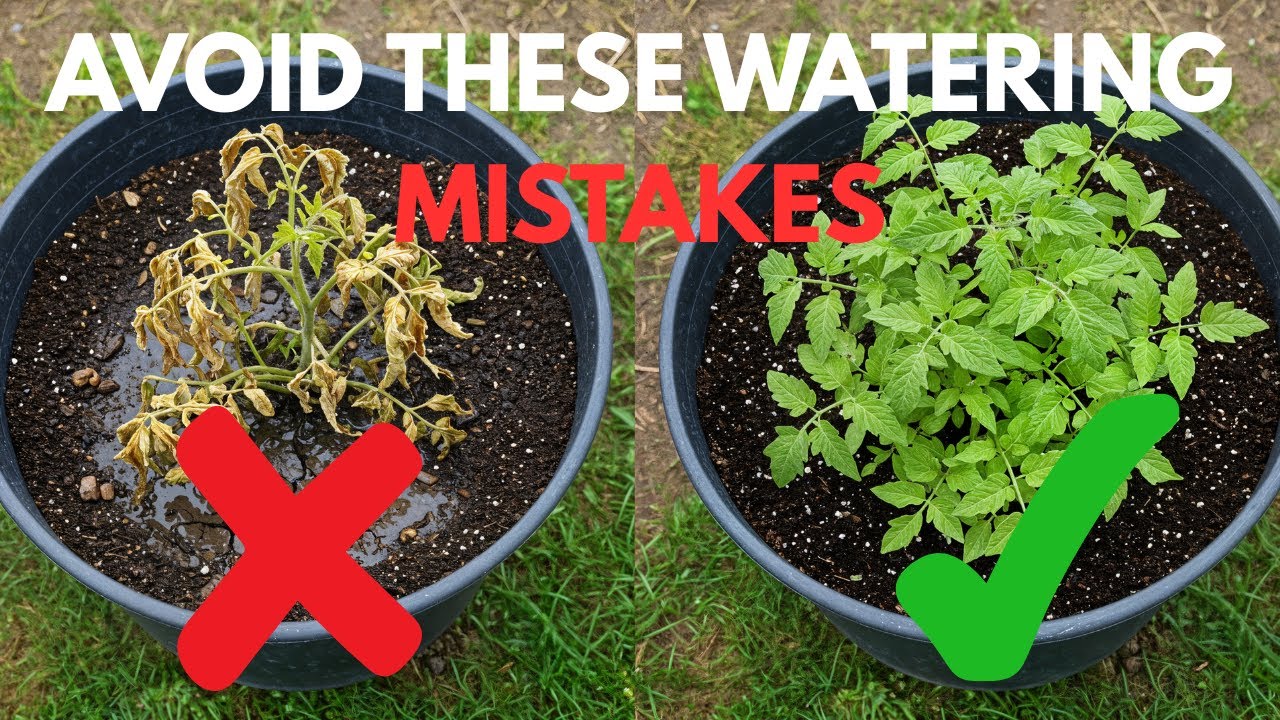
5 Mistakes You Must Never Make Watering Your Container Garden | Avoid These Costly Errors!
Are your potted plants looking sad, droopy, or just not thriving? You might be making one of these common watering mistakes without even realizing it! In this video, we’ll walk you through the top 5 watering errors gardeners make when caring for container plants—and how to fix them for lush, vibrant growth.
💧 Learn how to:
1.) Prevent your soil from repelling water (yes, that’s a real thing!)
2.) Avoid nutrient loss from improper watering
3.) Use circuit watering to hydrate smarter, not harder
4.) Stop overwatering and underwatering with one simple trick
5.) Protect your soil moisture with a powerful (but often forgotten) layer.
#ContainerGardening #GardeningTips #WateringMistakes #UrbanGardening
#GardeningForBeginners #HealthyPlants #GardenHacks #WateringTips
#ContainerPlants #GardeningMistakes #SoilMoisture #MulchMatters
#HydrophobicSoil #OrganicGardening #GrowYourOwnFood
What if I told you that most container garden failures aren’t caused by bad plants, poor soil, or even pests, but by bad watering habits? That’s right. Even if you’ve chosen the best potting mix and perfect location, your plants can still suffer if you’re watering the wrong way. In this video, we’re uncovering the top container watering mistakes that quietly sabotage your plants and how to fix each one so your garden thrives. Stay tuned to the end because the last mistake is one even experienced gardeners make. Let’s get right to it. Mistake number one, skipping the mulch layer. Let’s start with a common oversight. No mulch in containers. While mulch is often associated with garden beds, it’s just as critical in pots. Without a mulch layer, the sun bakes the exposed soil surface, drying out the top few inches quickly. This makes your plant roots work harder and increases your watering needs. A 1 2in layer of organic mulch like straw, shredded bark, or pine needles protects the soil from sun exposure, reduces evaporation, and keeps moisture where your plants need it down in the root zone. So, if your potted plants are drying out too fast or wilting between waterings, the fix could be as simple as topping them off with mulch. Mistake number two, ignoring the soil gaps. Sometimes the signs of a thirsty plant are right there in the pot, literally. One major clue is when your potting soil pulls away from the container walls. This happens when soil becomes extremely dry and shrinks in volume. Those visible gaps aren’t just unsightly, they’re a sign your soil is stressed and your roots might be drying out. When this happens, watering becomes less effective because water tends to run down the sides and bypass the root zone altogether. Keep an eye out for this subtle signal and act fast to rehydrate your containers before they become hydrophobic. Mistake number three, flooding dry soil. Which leads us right into the next problem, dumping too much water all at once. When dry soil becomes hydrophobic, it resists water instead of absorbing it. So, if you flood a parched container, most of the water runs through the pot and out the drainage holes, taking valuable nutrients with it and leaving your plant just as thirsty as before. To fix this, always premoisten the top layer first. Use a gentle spray or light drizzle to dampen the surface and wait a minute. Once the soil begins to absorb again, you can give it a deep, thorough watering. This simple trick saves water and ensures hydration reaches the roots where it counts. Moving on, here’s a pro trick even experienced gardeners overlook. Circuit watering and skipping it. That’s a mistake. When you water one dry container at a time, the soil may still be hydrophobic. Pouring in too much water too fast causes runoff and nutrient loss. Instead, use a circuit. Give each pot a quick one to two second spray at the top, then move to the next one. By the time you circle back to the first pot, the soil surface has absorbed that initial moisture and is ready for a full soak. Circuit watering helps break the hydrophobic barrier, reduces runoff, and ensures more consistent moisture absorption. It’s especially useful if you’re caring for a large container garden and want to work efficiently. Mistake number five, watering too shallow. Even if you’re watering regularly, it may not be deep enough. A common mistake is giving plants a quick splash on top, thinking that’s enough. But shallow watering only wets the surface and encourages shallow roots. For strong, healthy plants, you want to water until it drains from the bottom of the pot. That means moisture has reached the full depth of the root zone, encouraging deeper, more resilient root growth. Shallow roots mean stress during heat waves. Deep roots mean survival and thriving. Mistake number six, watering by the clock. The classic myth of watering on a schedule. You’ve heard it, water every morning or three times a week. But the truth is, your plants don’t follow your schedule. Water needs change based on weather, humidity, plant type, pot size, and more. What works in Oregon won’t work in Arizona, and what worked last week might not work today. The only reliable method? Check the soil. Pull back the mulch and stick your finger in. If the top 1 2 in are dry, it’s time to water. If it still feels moist, wait a day. Watering by feel, not the calendar, leads to healthier plants and fewer problems with rot or drought stress. So, let’s recap the biggest watering mistakes in container gardening. One, skipping the mulch, leading to fast evaporation. Two, ignoring soil shrinkage and gaps. Three, flooding dry soil that won’t absorb water. Four, watering too shallow, weakening root systems. Five, skipping circuit watering causing waste and poor absorption. Six, following a rigid schedule instead of checking soil moisture. Fix these six issues and your container garden will reward you with healthier roots, lusher foliage, and better harvests. If this video helped you, be sure to like, subscribe, and drop a comment about which mistake you’ve been guilty
Comments are closed.