
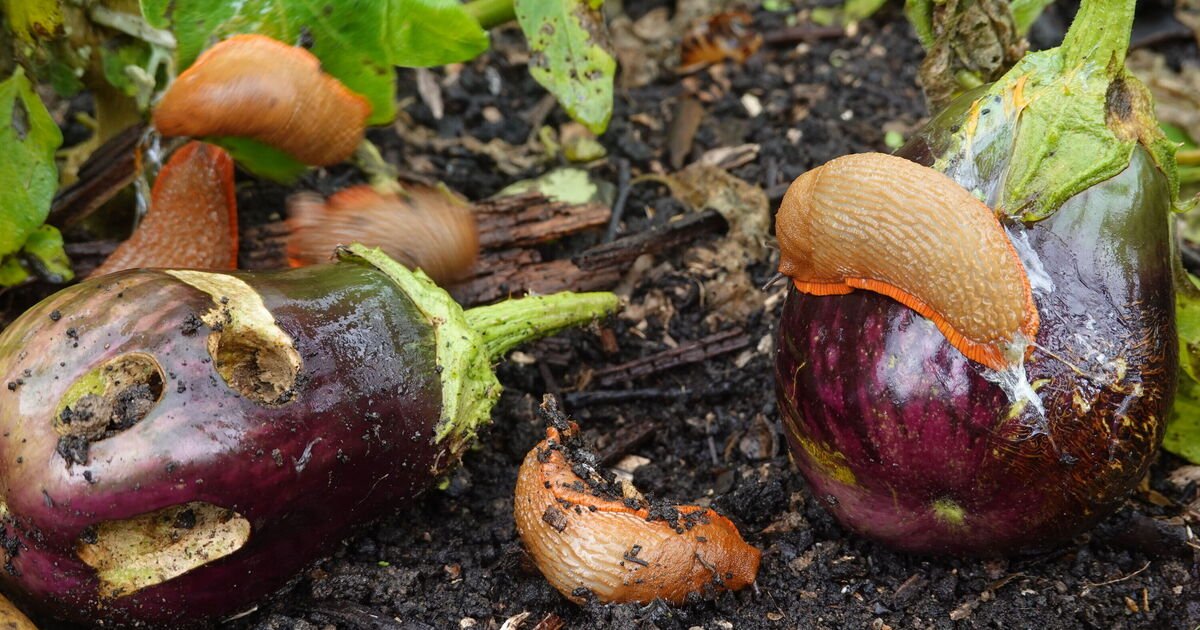
Slugs and snails become increasingly prevalent during autumn months as they flourish in moist conditions and amongst abundant fallen foliage, yet there exists a straightforward method to banish them permanently. Experts advise looking out for tell-tale signs and checking beneath plant containers and decomposing leaves during this period, as these pests utilise dark, damp spaces for shelter.
Whilst chemical pellets represent one of the most widespread approaches for tackling slugs, it is strongly advised against using them as they pose risks to pets and wildlife that naturally manage slug populations, including birds and hedgehogs. Alternatively, gardening expert Colin Campbell-Preston of Capital Gardens recommends using plants to repel slugs and snails, and there’s one particular plant that they “can’t stomach”. He said: “Slugs and snails may seem like greedy little leaf-chompers, chewing up all in their path, but there are certain plants they’ll turn their noses up at.”
The expert pointed out that these are most notably thick-leaf plants, which prove hard for them to chew their way through, and are highly fragrant additions to the garden.
Colin recommends gardeners plant Euphorbia, also known as spurges, as “slugs and snails absolutely hate them”.
Explaining the reason, the gardener said: “The milky sap of euphorbias possesses a bitter taste which slugs and snails simply can’t stomach.”
They’ll avoid these plants, veering towards sweeter-tasting treats and young plants.
Euphorbias are a hardy family of plants which really come into their own when the temperature dips and the less strong-willed plants die out and go into hiding.
Their flowers are cup-shaped bracts and are quickly identifiable, given their slightly peculiar appearance
Even as the surrounding plants turn to mush, euphorbias will continue to stand upright, projecting dark green tones over your winter garden. All whilst keeping slugs and snails at bay. Colin said: “Plant these, and your garden will be left in peace.”
Another thing which will “quickly turn the stomachs of slugs and snails” is a plant with hairy stems and leaves – geraniums.
The hairy build of the geraniums makes them “incredibly uncomfortable for slugs” to travel across and munch on.
With more than 300 species, it’s super easy to find the geraniums which will complement your back garden. Super hardy, geraniums are also great ground-covering plants, which will help to suppress that other hated garden pest – weeds.
Comments are closed.