
A few years ago, I spoke at the Richland County Fair about soils and composting.
While at the fair, I received several questions about how to incorporate chicken manure into compost.
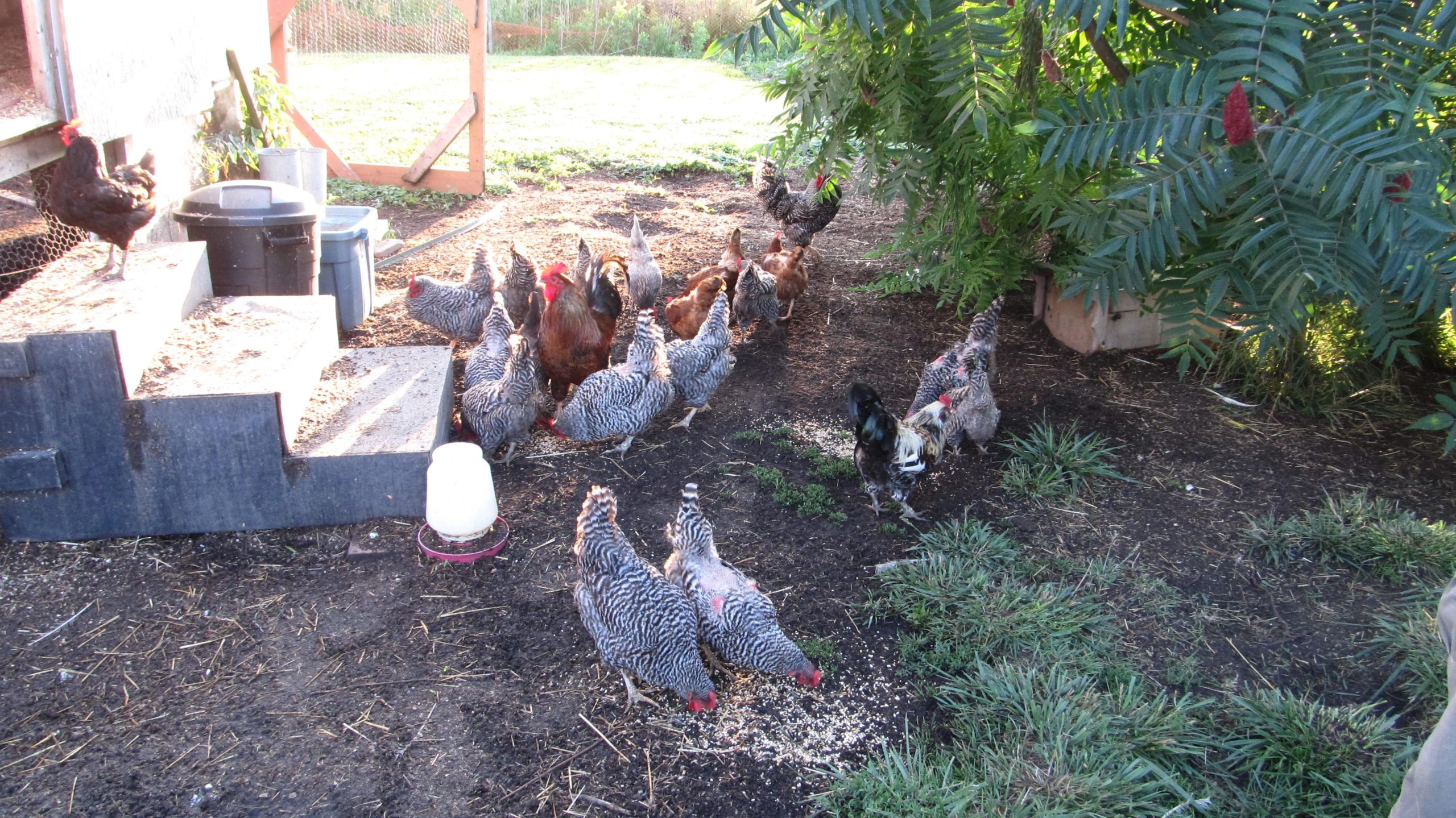
If you have a chicken coop where chickens spend most of their time, you should not have any problem gathering the manure.
One of the questions was whether you can use manure from a portable coop with a wire and open bottom in your compost making if you keep your chickens in it.
A quick answer is that you would if you kept the pen on a particular spot for some time, or you had enough chickens to make a difference.
This past weekend, while I was teaching, I got an invitation to speak again on compost.
From research I have conducted, chickens, on average, will produce one cubic foot over a period of six months.
Applying manure directly to a garden can burn the plants and harm their roots. This properly composted black gold, with chicken manure, will add organic matter, increase the soil’s water retention capacity, and enhance the microscopic life in the soil.
Black gold also provides more nitrogen, phosphorus, and potassium than horse, cow, or steer manure. This same black gold is the magic that turns a gardener into a green thumb magician.
Some chicken farmers use pits partially filled with soil, rotted steer manure, finished compost, green manure, green matter, or leaves under the roost in the hen house to catch the droppings.
This method controls odors that can cause respiratory problems in chickens as well as discomfort to people.
Mixing leaves, shredded straw, and corncobs as your litter and then composting all of it into a rich humus is a good plan. You can find a serious health hazard in the contents of poultry houses.
Dry chicken, turkey, and pigeon manure are all common incubation sites for spores that will produce human respiratory disease.
The trial in making any hot compost is to mix browns, such as brown fallen leaves and wood shavings, with greens, including manures, fresh-cut grasses, and traditional nitrogen fertilizers.
You will monitor the moisture levels, volume of the material, and temperatures of the pile.
Native soils with added compost piles make composting easier to work with.
A recommendation I made at the fair is to mix one-part green material with 30 parts of brown material. This combination of greens to browns creates an ideal environment for microbes to break down organic material to produce good compost.
Each bedding material has its own proportion of Carbon: Nitrogen ratio, so you are going to need to work through testing the ratios depending on the results you achieve.
If you clean the coop out daily, the mix will be different compared to piling more bedding on top of the old and using the manure that has been there for some time, which means the ratios will change. As a rule, composters mix one part brown to two parts green.
However, because chicken manure is high in nitrogen, a ratio of two bushels of shavings to one bushel of chicken manure produces the best black gold ratios.
Once you have the ratio right, you will need to moisten the pile to the consistency of a well-wrung-out sponge, which will produce a hot pile. This pile will heat up to 130 to 150 degrees, and if you can maintain the temperatures for three days, you will destroy the different pathogens in your compost.
If you can keep the pile under 160 degrees, you can preserve the beneficial microorganisms and the temperatures required to kill the harmful organisms. To compost properly, you need a good thermometer.
Once the core hits the temperature for three days, you need to shift the core from the middle to the outside and replace the middle of the pile with the outside, allowing the pile to breathe and re-water each time.
To completely work the entire pile, you are going to need to repeat the process three times or work on the pile for two weeks every three days. The reason for this amount of time is to process all parts of the compost pile.
By monitoring the pile for 45 to 60 days and observing that it is dark, crumbly, and earthy smelling, you have achieved your black gold compost.
For the best garden next year, all of you can benefit from learning how to compost all the organic material you can correctly.
I hope you have a good stroll through your garden. If you have a challenge in your garden, let me know at ericlarson546@yahoo.com, and I shall answer the question as best as possible.
Comments are closed.