
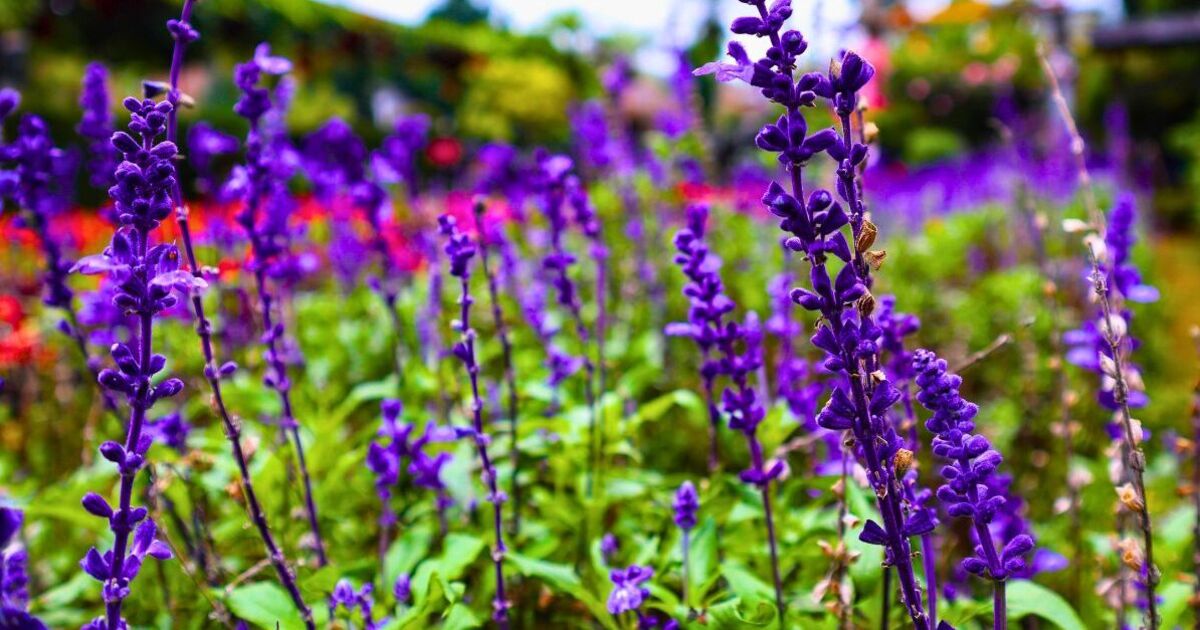
Lavender is very easy to grow in summer, but as autumn approaches it is important to take the time to care for it properly if you want your plant to survive the cold weather. One gardening expert from Ashridge Trees has said that a big mistake British gardeners make is having lavender growing in the wrong place in their garden.
They said: “Lavender is the most misplanted plant in the UK, because people love it so much that they plant it in damp shady places regardless of the fact it won’t last long after the first year.” Lavender naturally grows in hot rocky areas so moisture and cold can lead to it quickly rotting if you have it in a shadowy area like near a tree, fence or building.
If you want lavender to stay healthy in autumn, then you need to take the time to move it to a better spot, otherwise it will not be able to handle the cold and will likely die in winter.
Like all Mediterranean plants, lavender needs at least six to eight hours of daylight a day, so should be moved to in an open area that faces south or west.
A southern location in your garden will get more sunlight during the day while a west-facing place will get a lot of the afternoon sun so will be the warmest part of your garden.
Lavender needs as much sun as possible so its soil stays dry, so it is best to keep it away from the northern and eastern areas of your garden as these areas are more likely to be damp.
It is also important to avoid placing lavender in a corner of your garden as there will be less air circulation, which means the soil will not be able to dry out and encourage fungal growth.
The ideal soil for lavender is somewhere gritty or rocky, so will do very well if kept near a patio, driveway any other hard surface areas.
If lavender somewhere dry and hot where it is also get lots of wind then it will be much better prepared for the upcoming cold weather in autumn and winter.
However, it is not always possible to move plants, so if you have to keep your lavender in the same spot then make sure to mulch it with gravel to help keep the soil warm and dry.
Avoid placing sprinklers near lavender, and keep it away from water-loving plants like hydrangeas, ferns, or vegetable crops.
Lavender also tends to thrive when planted near other drought tolerant plants like rosemary, thyme and sage, so consider creating a herb garden to help keep the plant healthy.
Comments are closed.