
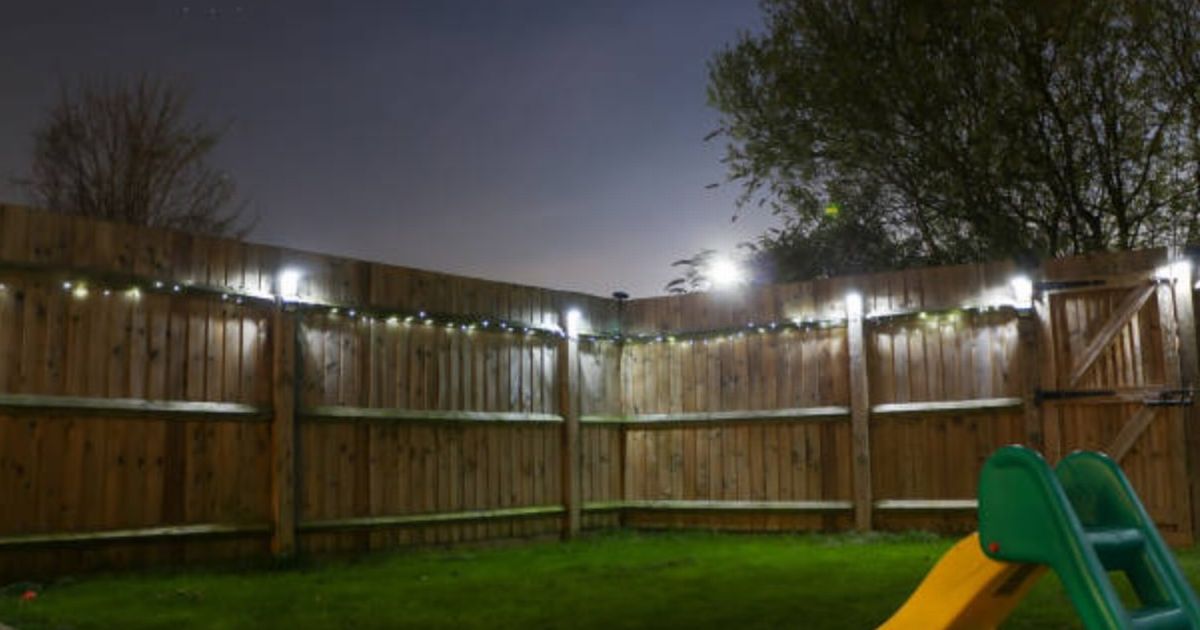
Intrusive lighting shining into neighbours’ homes and properties could mean UK households fall foul of the rules.
06:19, 31 Aug 2025Updated 06:20, 31 Aug 2025
 UK households with garden lighting risk £20,000 fine after council warning
UK households with garden lighting could be fined if lights cause neighbours a nuisance at night. Intrusive lighting shining into neighbours’ homes and properties could mean UK households fall foul of the rules.
“The laws and regulations regarding the installation (safety) and running of exterior and driveway lighting for private residences can be quite complex, factoring a multitude of scenarios, be that the front of the property (road facing), or the rear such as garden and patio areas,” says Tom Ralston, Managing Director at Ultra LEDs.
“This will include aspects such as light spill beyond property boundaries or glare that may have a negative impact on others. Nocturnal wildlife can also be adversely affected in cases where cooler colour temperature lighting (above 3000k) is in use after dark, and there may even be local by-laws in place to limit such impacts where protected species such as bats may be present.
READ MORE UK households with oak trees in garden face £20,000 fine after decision
“Ultimately, consultation with a qualified exterior lighting designer is usually the best course of action as they will know all the regulations and will help with an exterior lighting plan, along with the use of a qualified electrician to ensure safe and weatherproof installation for long term reliability,” adds Tom.
“The UK Environmental Protection Act 1990 makes provision for the control of waste, air and water pollution, and statutory nuisances including light and noise pollution, litter and contaminated land among other things,” says Thomas Goodman, property expert at My Job Quote.
“Under section 79(1) of the Environmental Protection Act, local authorities must investigate any complaints of light pollution which is deemed a nuisance or prejudicial to health. If the light pollution is considered a problem, an abatement notice is served on the owner of the premises or light source requiring them to prevent its recurrence,” says Thomas.
Local authorities are cracking down on light pollution and lights which interfere with other properties.
Yorkshrie Council warns: “If evidence shows that a statutory nuisance exists an Abatement Notice will be served to prohibit its recurrence or restrict the lighting.
“The effect of the notice is to make any further occurrence of the nuisance a criminal offence punishable, on conviction in the Magistrates Court, by a fine not exceeding £5,000. This rises to £20,000 in the case of commercial premises.
“If further formal action is necessary, the Council must be able to justify its action in court. Complainants will be asked to provide a witness statement and may be required to attend court as a witness.
“However, this only happens in a minority of cases. If you have a complaint and would not be prepared to go to court, we may be unable to resolve the case.”
Comments are closed.