
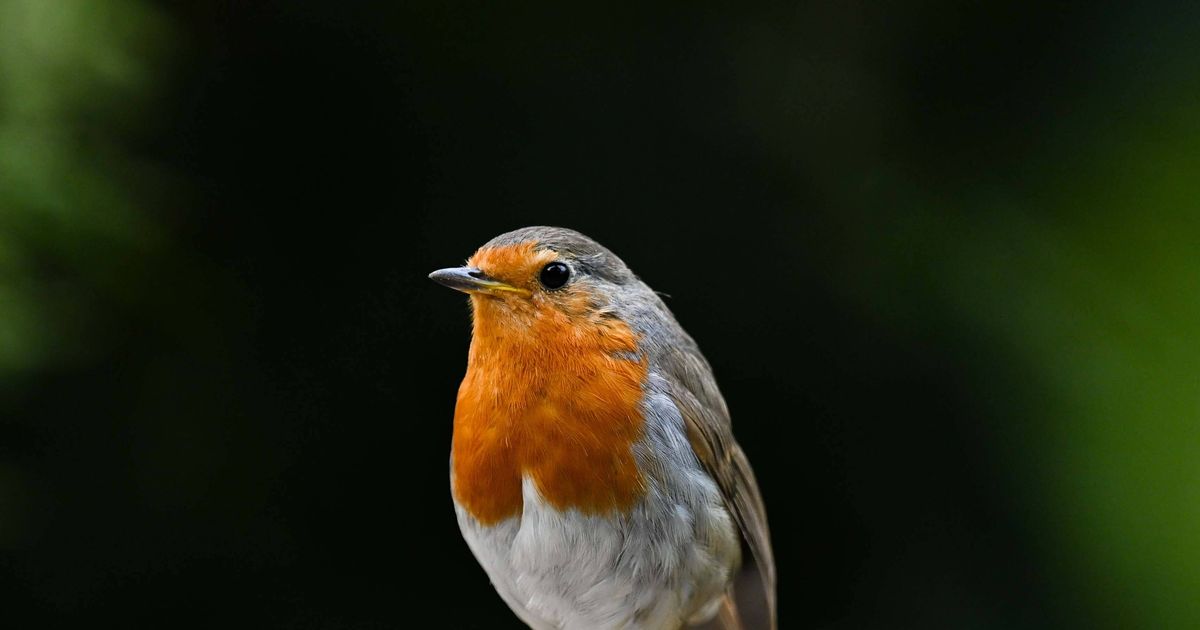
The RSPCA has shared one common household food that people should be putting out in their gardens to help support birds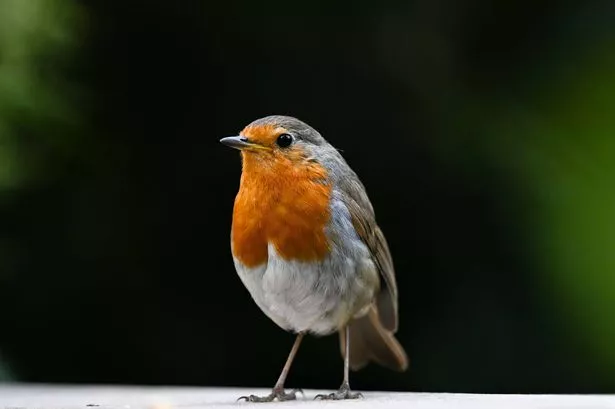 You can help Robins by adding one common household food to your bird feeder(Image: Anadolu, Anadolu via Getty Images)
Green-fingered Brits are being encouraged to sprinkle pasta on their bird tables, in a bid to aid our feathered friends during the vital fledgling season. The idea of providing sustenance for birds can be daunting for many garden owners, under the impression that it necessitates costly, specialist blends from garden centres or DIY stores, and is a hobby only for those with spare cash to splurge on local wildlife.
However, the RSPCA reassures us that anyone can contribute to bird feeding without breaking the bank on specialist food – all you need are some common, budget-friendly kitchen staples.
Alongside rice, potatoes and cheese, cooked pasta can be dished up on bird tables.
It’s essential to remember that the pasta must be cooked, never raw, as uncooked pasta could pose a risk to birds, so ensure it’s properly boiled and cooked beforehand. This is because raw pasta is difficult for birds to digest.
In some cases, it can cause bloating, discomfort, or even internal damage if it expands after being ingested.
Numerous bird species are facing threats due to habitat loss, dwindling food sources like the decline in insect populations, as well as climate change and pollution, reports Chronicle Live.
That’s why we’re being asked to lend a hand by supplying food for our feathered friends, which will also assist them in nourishing young fledglings come August.
Fledglings are juvenile birds that have recently left their nests. Due to their young age, they’re still mastering the art of foraging for sustenance, and they require ample nutrition to grow properly.
The RSPCA suggests providing fruit, seeds, unsalted chopped peanuts and food remnants for garden birds. Read the biggest stories in Wales first by signing up to our daily newsletter here
The guidance states: “Birds love to eat: fruit – apples, pears and soft fruits; Suitable seeds and grains – like nyjer, millet, oats, and sunflower seeds; Peanuts – must be unsalted, fresh and that they don’t contain aflatoxin (a poison caused by fungus mould).
“Young chicks might choke on whole peanuts, so always put them in feeders with a smaller mesh; Food scraps – cooked pasta, rice and boiled potatoes or cheese and uncooked and unsalted bacon rind.”
The guidance emphasises removing any leftover food each evening and keeping feeding areas clean at all times.
This advice comes after the RSPB’s temporary withdrawal of flat bird tables from their shops whilst examining potential disease transmission risks linked to exposed food left on flat surfaces.
The organisation now promotes regular cleaning of feeding stations and nesting boxes, along with swift removal of any uneaten provisions.
Comments are closed.