
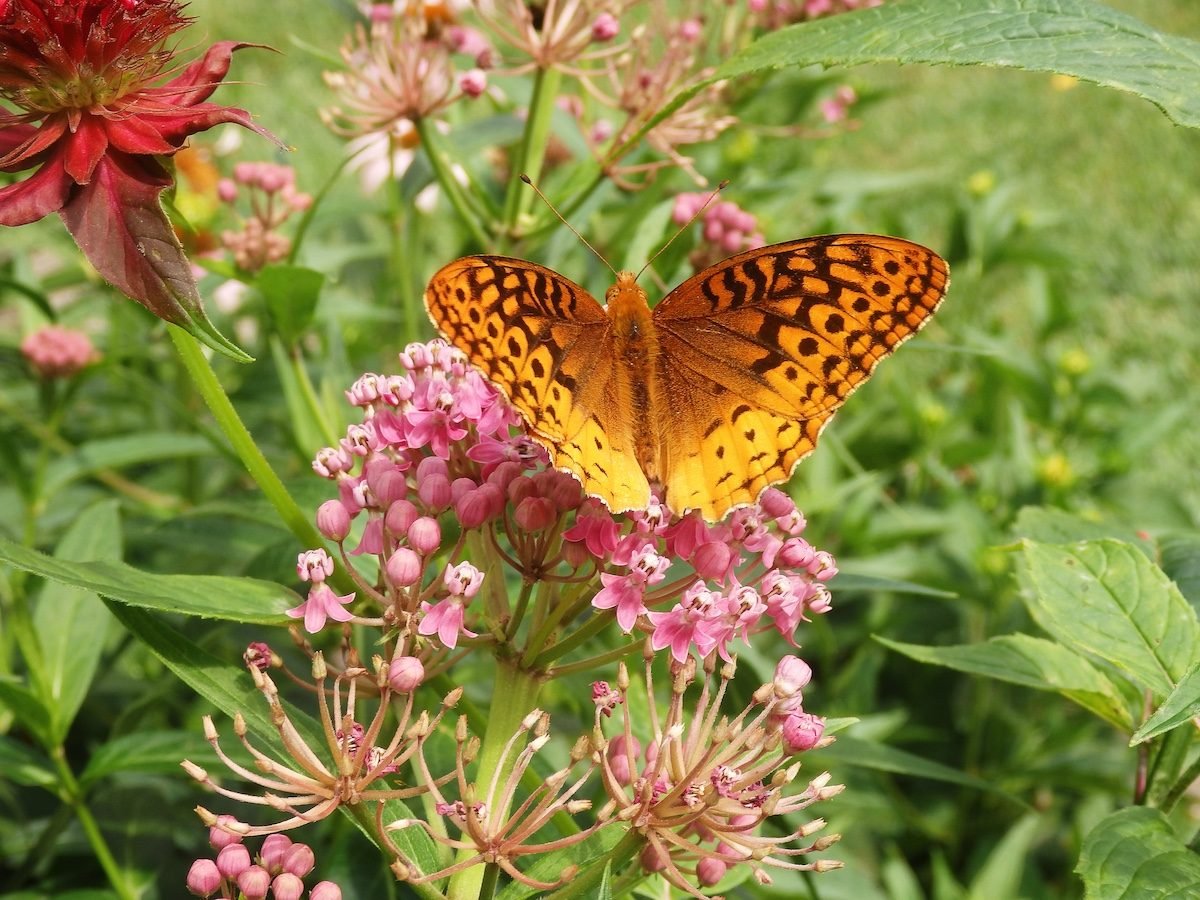
In nature, the quest to survive and spread is essential — and that’s certainly true for flowers. We might see them as vibrant harbingers of spring or precursors to juicy tomatoes, but from the flower’s perspective, it’s just trying to survive and reproduce through a process we call pollination.
“Flowers are basically brightly colored, sweet-smelling adverts announcing that they have nectar and pollen,” says Matthew Shepherd of the Xerces Society for Invertebrate Conservation. “It’s the botanical equivalent of a neon breakfast sign in a diner window.”
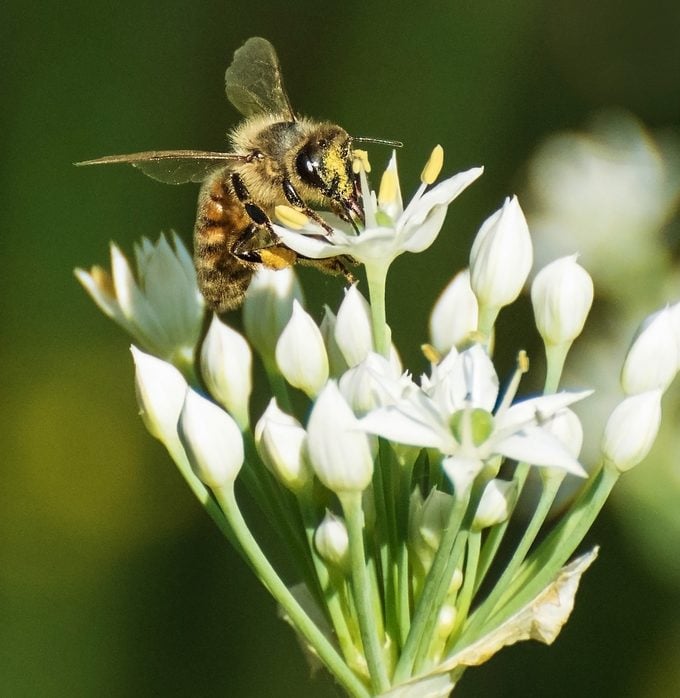 Courtesy Patricia MarshallBees, butterflies, and birds all play an important role in a flower’s reproductive processes.
The Basics of Pollination
Pollination is the transfer of pollen from a plant’s male parts, the stamens, to the female parts, or pistils, a pairing that creates seeds. “More than 80 percent of flowering plants rely on a bee or other pollinator for this to happen,” Matthew says. The pistil’s most visible part is a single, central stalk called the style; the sticky head on top is the stigma. The style leads to the ovary within the flower, which contains ovules that will become seeds once fertilized. And the showy parts of the stamen are the anthers, where pollen is made and stored. Typically, they rise above the flower on stems called filaments.
The shape, size and number of female pistils and male stamens varies widely by flower type. For example, an Asiatic lily has a single style that rises above six flashy, pollen-filled anthers. But on a hibiscus, a central style is covered with dozens of stamens, short filaments topped with anthers that look like mini mushroom caps. With some other flowers, you have to look closely to see any distinct parts.
Bring in more pollinators to your yard with these “triple-threat” plants that bring in birds, bees, and butterflies.
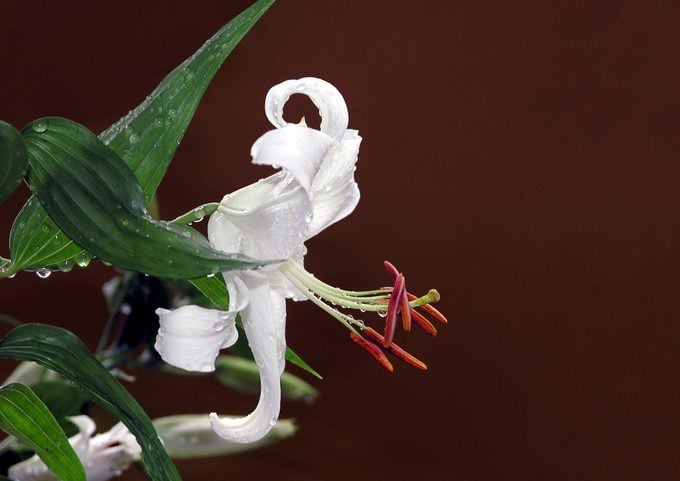 Courtesy Karin MitchellYou might not have thought much about the parts of a flower like this Casablanca lily, but a flower’s anatomy plays a major role in the flower’s reproduction.
Pollination Details
To the human eye, pollen grains look like powder, but the yellow or orange smudge they leave on your finger contains thousands of microscopic vessels of genetic information protected by hard outer shells and an oily coating, which keeps them together on the anther or in transport. Pollination takes place when pollen lands on a stigma, germinates and grows a tube down through the style into the ovary. There, male generative cells fertilize the female egg cells in the ovules, which ripen into seeds.
Most flowers have both female and male parts, and self-pollination works just fine for many plants. But if one plant cross-pollinates with another of the same species, they will produce more robust offspring. Different species have different ways of fostering cross-pollination unions. For example, a cucumber displays both male and female flowers on the same plant. In some plants, like holly and willows, flowers have only pistils or only stamens, and they must be cross-pollinated. Apple trees, too, require cross-pollination to produce fruit.
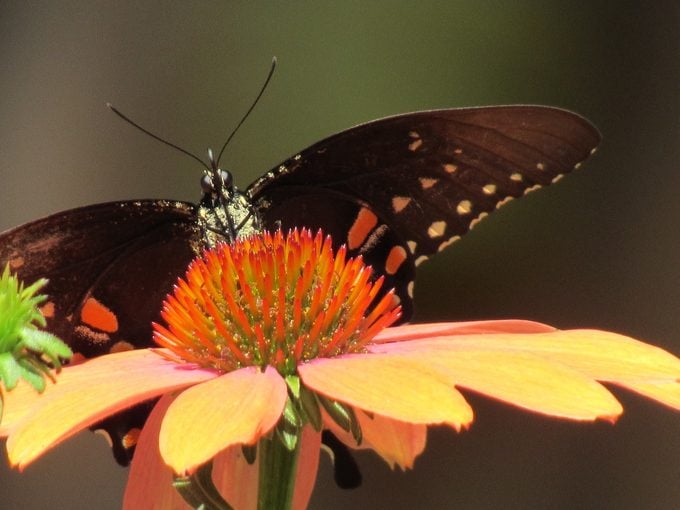 Courtesy William MurphyBlack swallowtail butterfly on a peach coneflower — and covered in pollen.
All About Pollinators
The matchmakers are bees, butterflies, bugs and birds that become unwitting cupids when they visit flowers for food. “Some pollinators eat parts of the flower itself,” Matthew says. “Others seek the sugar-rich nectar or the protein- and amino acid-packed pollen, either to eat themselves or collect for their offspring.” To get at this meal, they must brush past the anthers and stigma, and in the process, they pick up and deliver pollen. You’ve likely seen hummingbirds and butterflies with a heavy dusting on their foreheads, or bees with pouches of the stuff clinging to their legs.
Flowers are designed to woo specific pollinators. For instance, bees and butterflies tend to swarm flowers with sweet aromas, but blooms that rely on hummingbirds for pollination typically have no scent and rely solely on color, particularly red. Tomato flowers have pollen that is difficult to detach from the anthers, so they rely on the buzzing of bumblebees to shake it loose. The next time you see a bee light on a flower, take a moment to appreciate how much is going on to make sure both plant and pollinator continue to thrive.
Here’s what you can do to help bees and other important pollinators in your backyard garden.
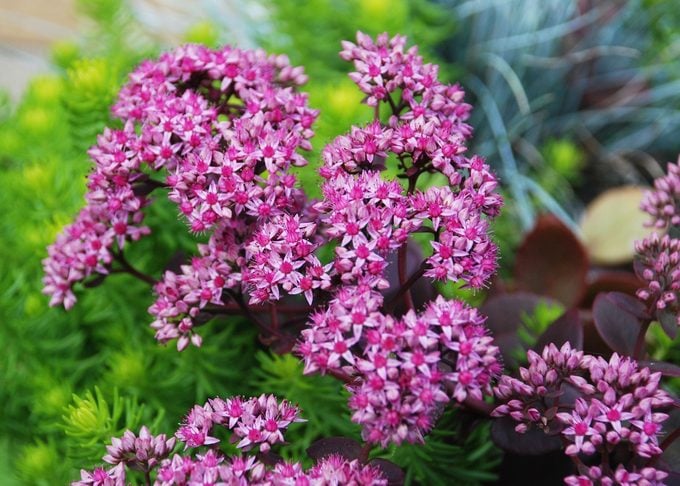 Walters Gardens, Inc.With their abundant nectar, sedums are a pollinator favorite.
Pollinator-Favorite Flowers
Bee Balm. This summer favorite easily attracts bees, butterflies and hummingbirds.
Milkweed. It’s not just for monarchs! Many varieties of this perennial offer attractive nectar sources.
Catmint. With long-lived blooms, catmint entices plenty of pollinators and is deer-resistant.
Sedum. These flowers offer nectar for tons of pollinators all summer long.
Penstemon. A wide array of kinds and hues make this tough perennial one to try.
Next, learn how to grow the perfect pollinator garden.
About The Expert
Matthew Shepherd is the director of outreach and education at the Xerces Society for Invertebrate Conservation. He has worked for the Xerces Society for more than two decades, with areas of focus ranging from endangered species to neighborhood-level pollinator gardens. He also serves as editor for the society’s magazine, Wings.