
The Penn State Extension of Berks County Master Gardeners will be featuring questions and answers to inquiries received through their Garden Hotline.
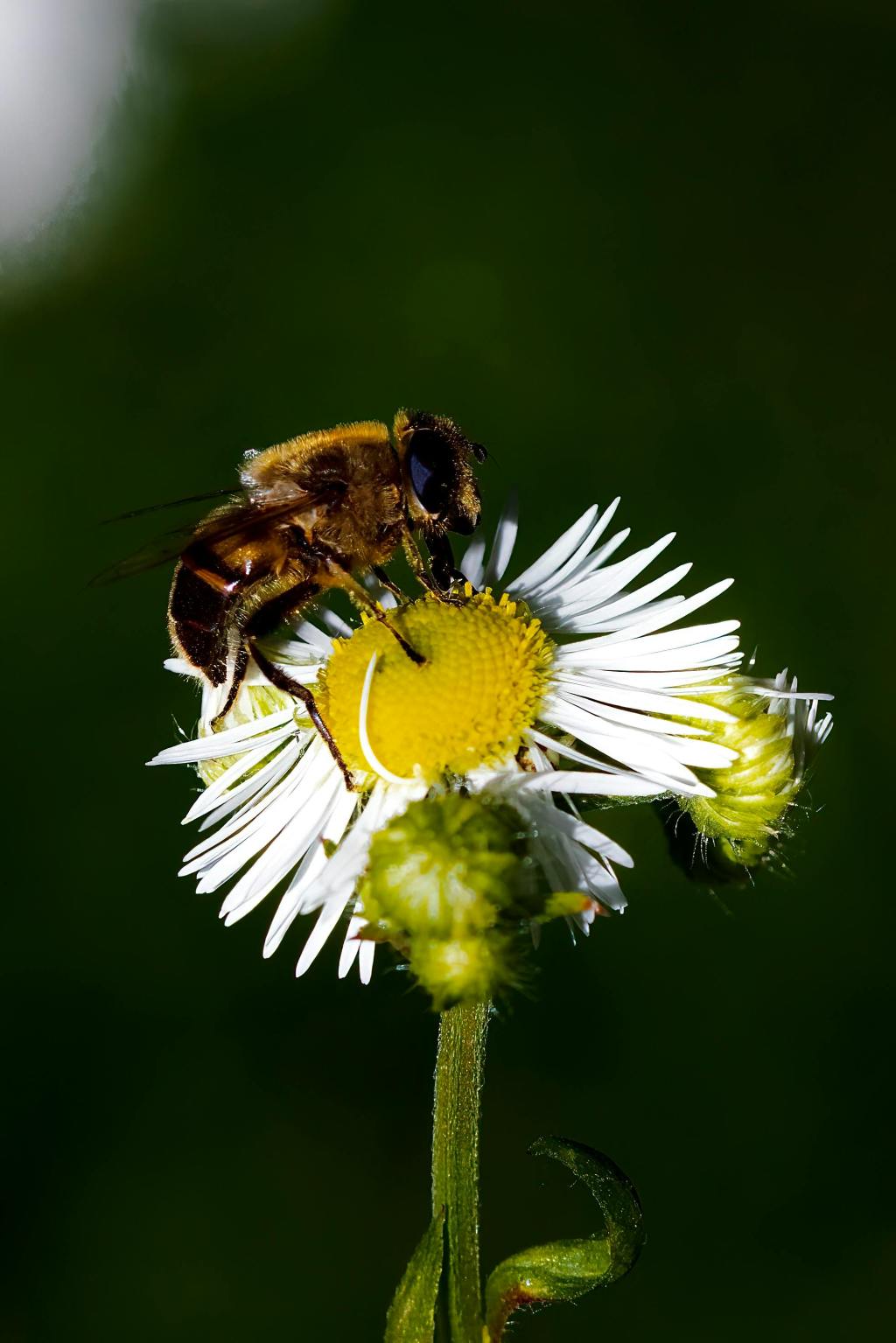
Q: I’m concerned about using insecticides to treat pests on my plants. How can I treat my plants without harming bees, butterflies and other good bugs?
A: Thank you for thinking of our pollinators before applying any pesticide. Penn State Extension research recommends the IPM approach. Investigate the damage and what is causing the problem before applying anything. You may be seeing the damage now, but the insect causing it is gone. Learn to know when a particular insect is active and treat at the proper time of their life cycle.
If you must use pesticides, do not apply directly on the flowers or when pollinators are active. Treat in the evening after bees have returned to their hives. Pollinators need water. Be aware that some products intended to kill mosquitoes in birdbaths can be toxic to pollinating insects. Avoid treating trees that attract bees while they are in bloom.
Always follow the label directions on any product you use. Even less harmful pesticides such as horticultural oil, insecticidal soap or neem oil may cause damage if not applied properly. If possible, pick off the insects and place them in soapy water.
A strong spray of water may knock off some insects, such as aphids. You may want to consider adding more native plants to your garden. They often require less maintenance and pesticide use.
Q: The leaves on my sycamore trees have been falling off. Now the trees are losing their bark. Are the trees dying? Can they be saved?
A: The leaf drop is caused by Sycamore anthracnose, a fungal disease. The disease is most common during cool wet weather in spring and is often mistaken for frost damage. The spores are produced in spring and spread by rain. As new leaves unfold, they crinkle, turn brown, wilt rapidly and fall.
The disease is rarely fatal, and the tree will grow a second set of leaves. Repeat infections will leave the tree stressed and susceptible to other diseases.
To help lessen the spread of the disease, practice good gardening by raking up and disposing of fallen leaves and twigs. Prune the branches to improve air circulation to reduce the time the leaves remain wet, reducing the chance of infection.
Also prune dead branches when possible, disinfecting your pruners between cuts to avoid spreading the disease. A preventive fungicide may be applied when the leaves begin to emerge from buds in the spring and reapplied two or three times at 7–10-day intervals. Large trees may require the services of a certified arborist (www.treesaregood.org). Fungicides are not effective after the leaves have been infected.
The loss of the outer layers of bark on sycamore trees is completely normal. As the tree grows, the bark layer thickens and the outermost tissue layer dies. Continued growth pushes the outer dead layer outward, causing the bark to peel and drop off. Other trees such as silver and paperbark maple, shagbark hickory and lacebark pine are some other examples.
Penn State Master Gardeners with advanced diagnostic training staff the hotline, answering questions on lawn care, landscape plants, houseplants, fruit, vegetables and herbs, insect and disease issues and identification of unknown plants or insects. Advice is based on Integrated Pest Management strategies and environmentally-friendly approaches. For more information on these and other gardening-related topics, email the Garden Hotline at berksmg@psu.edu or call 610-378-1327 to speak to a Master Gardener.