
Thankfully it’s not wasps or flies
14:12, 11 Jul 2025Updated 14:13, 11 Jul 2025
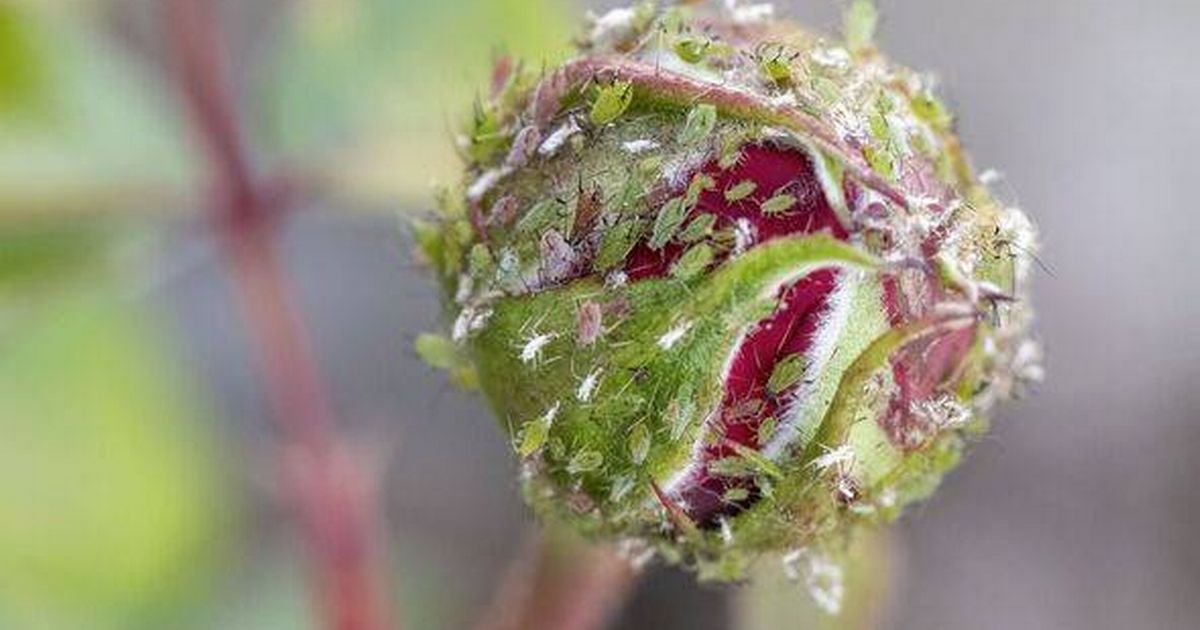
 Aphids, like these ones pictured, are a food source for ladybirds(Image: Getty)
UK gardeners have been encouraged to keep record of ladybird sightings as the heatwave sees them swarm in “very high numbers” this summer. An influx of the creatures at Lord’s in London on Thursday distracted players and led to a brief pause in England’s contest against India.
England’s vice-captain Ollie Pope called it a first in the sport. “I’ve never seen that, no,” he said after the match. “That’s a first that the crowd have got that today.”
Ecologist and ladybird expert Professor Helen Roy, from the UK Centre for Ecology and Hydrology, sought to explain the sight. She said: “Many species of aphid-feeding ladybird such as the seven-spot ladybird are being seen in very high numbers this year.
“This is a consequence of the high aphid numbers and warm weather.
“People are reporting many sightings to the UK Ladybird Survey through iRecord, which is fantastic.
“If people want to help insects and other wildlife in this weather they can leave shallow dishes with a little water for them. Also, we encourage people to leave the aphids in their garden on roses and other plants so there is plenty of food for ladybirds.”
The UK Ladybird Survey is asking Brits to “help us understand the ecology of native UK ladybirds by sending in your observations.” Experts are particularly concerned about the invasion of the harlequin ladybird, which is threatening native populations.
Gardeners are being encouraged to leave aphids on certain plants so that ladybirds have a food source. Common Sense Gardening, which offers handy tips for homeowners, advises on its website: “Most gardeners see ladybirds as their friends because they are a predatory species that eats common garden pests such as aphids and scale insects.
“The more ladybirds you have in your garden, the easier it will be to manage your pest issues”. Tim Coulson, professor of zoology and head of biology at the University of Oxford, also agreed that people should “learn to love” the insects.
 A single ladybird can consume dozens of aphids a day(Image: Getty)
“Warm weather means more aphids because they can complete each generation faster – insects, including ladybirds and aphids, tend to speed up their lives in warm weather,” he said.
“Ladybirds eat aphids, and an abundance of aphids mean ladybirds have a lot to eat.
“People should learn to love the ladybirds. They are effective predators of aphids, which can be a major pest of many plant species.
“Much in the way that wolves keep deer numbers in check in some parts of the world, ladybirds keep aphid numbers down.”
Dr Peter Brown, associate professor in ecology and conservation at Anglia Ruskin University, said the last “boom year” for ladybirds was during the hot summer of 1976, although there have been years in between when there has been a rise but the locations have been more isolated.
“In 1976 there were a lot of seven-spot ladybirds on the beaches as they searched for food and people thought they were invading – they were not, as they are native to the UK,” he said.
Dr Brown, who is an organiser of the UK Ladybird Survey, added that the increase in numbers should be seen as a positive and the current warm conditions were the reason.