

John Zvirovski, Jamestown Sun garden editor
John M. Steiner / The Jamestown Sun
Many times I hear people ask what perennial is a hardy, maintenance-free plant that takes little care. Well, I hear that about many things in the landscape, but to be perfectly honest, there are few plants that take little care. However, there are some species that actually fit that exact description.
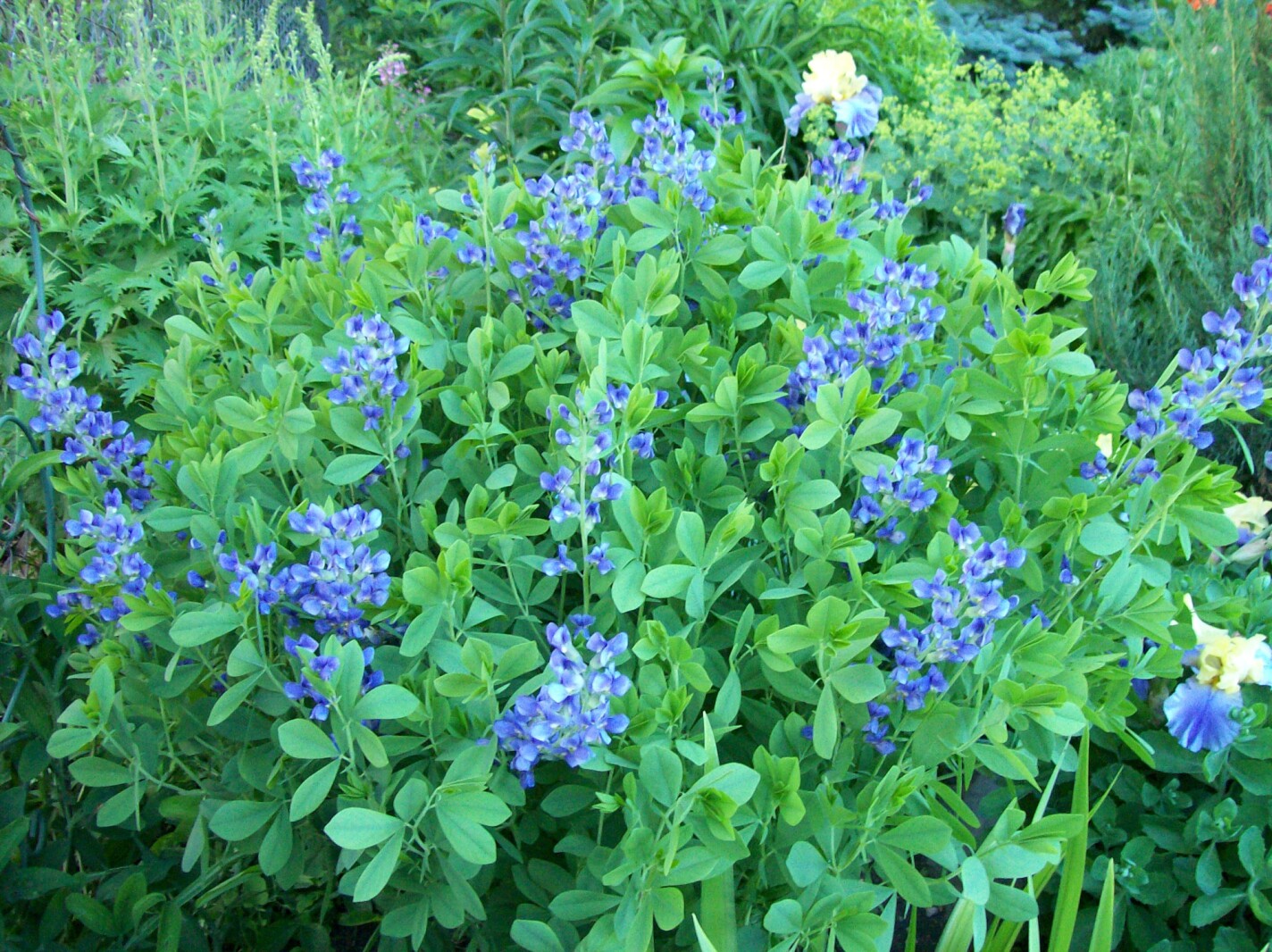
The Baptisia australis just happens to be one of those incredible perennials that has wonderful attributes and carries few negatives along with their habit. This plant is also known by the more common names of False Indigo, Rattlebrush and Wild Indigo.
The color of indigo actually comes from the true indigo plant, however, this plant can also create a lesser quality of indigo dye. Early settlers used this plant for many medicinal properties and also steeped its leaves in a solution to extract the color from the plant for dyeing. It is a long and drawn-out process, but was very common back in those days.
Medicinally, the roots were used for the extraction process and an antiseptic was created. The “tincture” that was created was also used to treat influenza, gastric and throat infections, and mild fevers. As with many plants and their medicinal properties, many are highly toxic if used in the wrong doses. Leave the research and testing up to the scientists and professionals for refining them to a usable product.
Like many of the plants in our garden with medicinal values, this is just another amenity that it contains. In today’s world, most of us plant various products because of their look, scent, form or sheer beauty in the flowers they produce.
Baptisia has many wonderful features for the garden. Not only does it fit the description of being a carefree perennial, but it never needs dividing either. In fact, once established, it prefers to be left alone and not moved due to its taproot structure. This taproot structure also causes it to be quite drought tolerant after it has become established.
They prefer a sunny location and a well-drained soil, but can grow in most any soil condition as long as it does not remain wet for long periods of time. If they are planted in a shady or semi-shady location, they may require staking, as they tend to become a little leggy and fall over.
They emerge in spring as tight, pencil-like shoots, similar to the asparagus plant, usually in the color of deep purple, so they are difficult to detect on the onset. Soon they grow to 3 feet tall and unfurl many leaves that resemble garden peas or the blooming sweet peas. As soon as the leaves have opened, each stem is terminated by a cluster of flower buds that will open into blooms of purple similar to the flower of the pea. The clusters resemble the flower structure of Lupines. All of these plant types belong to the legume family which gives them these similar characteristics.
These plants can reach heights of 4 feet and can spread to form a clump as wide as 3 to 4 feet also. They create a small bush structure and after the flowers have faded in mid- to late June, they are replaced with clusters of swollen pods that turn black and dry with age. These stems of seed pods have frequently been used by florists, who enjoy using them in dried arrangements. If left on the plant in the fall and through the winter, the wind will move them and you can hear the rattle sound of the seeds inside as the branches sway.
There are no known insects or diseases that seem to attack this plant and deer do not even like them due to their bitter taste. With each characteristic you learn about the Baptisia, it is more and more difficult to find a reason not to have it in your garden. Just remember, when planting one, make sure it is in a permanent location and keep in mind their ultimate mature size.
They come in colors of white with the ‘Wild White Indigo’ variety, purple from the ‘Prairie Smoke’, yellow from the ‘Screaming Yellow’ strain to the magenta and yellow mix of the ‘Twilight Prairie Blues’.
Another fantastic feature of this perennial is that it remains lush throughout the growing season until frost. Even when it is not in bloom, it is an attractive plant with great texture and grace.
Whether you have a tough spot to grow plants in or you have an area that need a large specimen, this is a sure bet to enthrall you throughout the four seasons.
Need a carefree plant that needs little maintenance? I suggest the Baptisia, as it will fill all of those qualifications of a plant that wants and needs to remain independent and left alone.
Sometimes it is the solo, quiet ones which need very little care that ultimately hold our greatest attentions. But at the same time, they let us know they are there with the slight rattling sounds, caused by a light garden breeze.