
At long last, June brings all the flowers to the yard, and you may be ready to just sit back and enjoy the show. But not so fast! To help keep those pretty blooms going, you have an important job: deadheading the spent flowers. That helps keep your plants focused on producing even more flowers, rather than going to seed—which may encourage next year’s crop of flowers, but won’t do much for this year’s garden.
But deadheading helps certain plants thrive more than others. Here’s everything you need to know about deadheading—including which plants benefit most from the treatment.
How Is Deadheading Different From Pruning?
The two garden chores may feel like they’re the same thing, but they actually are slightly different and serve different purposes. Deadheading removes spent flower blooms from the plant, so that your plant refocuses on producing more blooms, rather than producing seeds (which is the next step after the flowers are done).
Meanwhile, pruning is a bit more drastic, and often removes leaves and stems along with the flowers. It’s used to reshape the plant, remove dead or damaged branches, and promote new growth. It’s often done when the blooming season is over to prep the plant for its dormant seasons and for stronger growth next year.
Deadheading your flowers this June keeps your plants looking beautiful—and helps encourage more flowers to grow all season long.
How Often Should You Deadhead Your Garden?
You don’t need to spend every day going through your garden looking for spent blooms—unless that’s a great way for you to relax and unwind. (Go, you!) A weekly tour through your garden is all you need—and you can either use pruning shears or your hands to pinch off the spent blooms, depending on the variety. (Roses, for instance, may require pruning shears, if only to protect you from the thorns!)
Plants to Deadhead in June
Marigold
Credit:
wulingyun/Getty Images
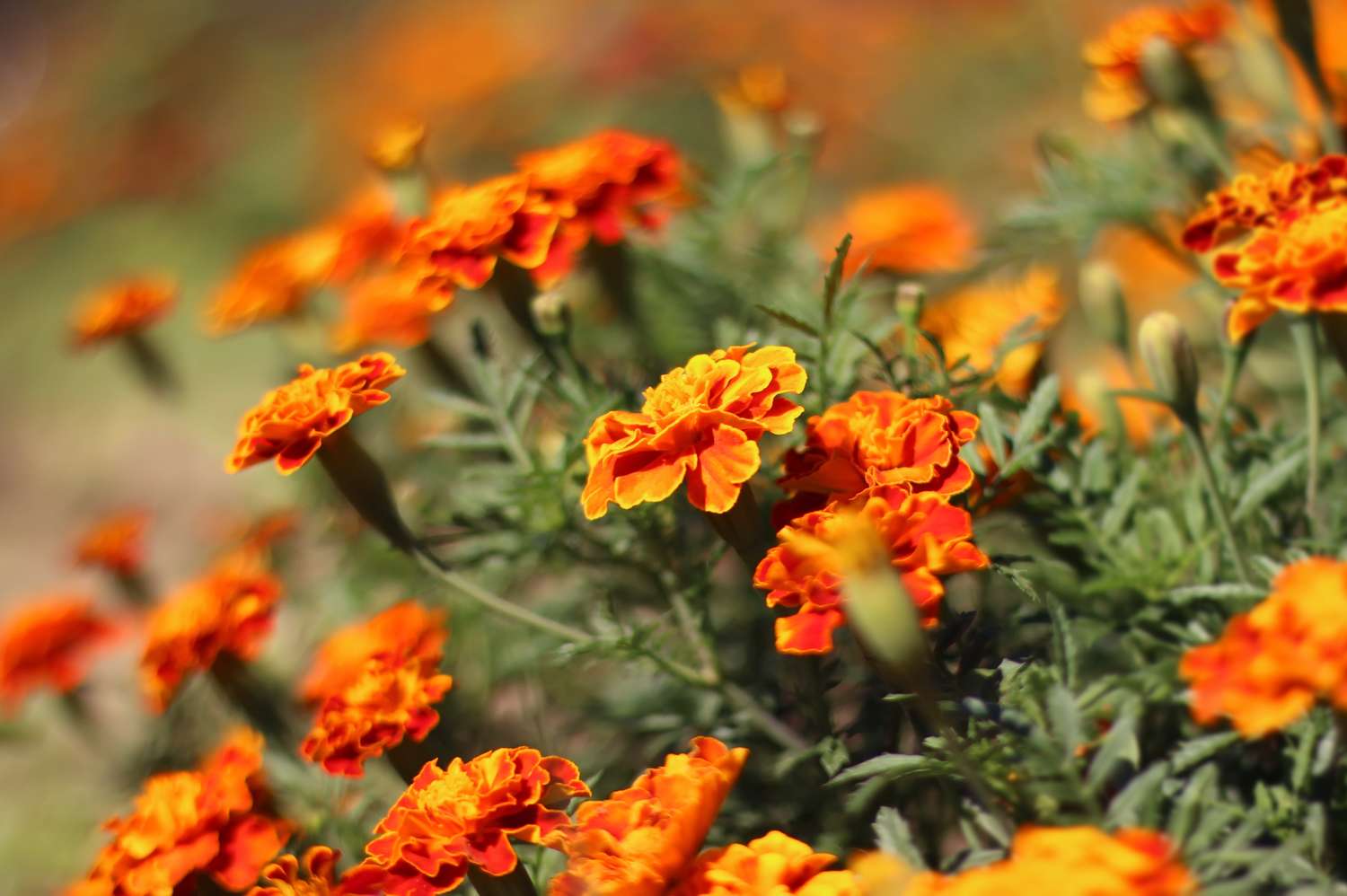
Marigolds can produce flowers well into fall—and deadheading spent blooms as they fade encourages your marigold to keep producing those gorgeous orange flowers. All you have to do is pinch just below the bud on flowers that have faded or turned a bit brown and “crispy” looking. “You definitely want to deadhead marigolds, as it is one of the best ways to encourage continuous flowering and keep your marigold plants looking tidy and healthy,” says Sid Gardino, expert gardener at Gardino Nursery at Palmstreet.
Petunia
Credit: Ron Evans/Getty Images
Deadheading petunias will help keep these long-lasting annuals producing flowers—and you can also do a little reshaping as well, to avoid having the plants start to look a little “leggy.” You can use your fingers to pinch off spent blooms, or use shears to do a bit of a deeper cut to keep the plant compact and healthy.
Geraniums
Credit:
Isabel Pavia/Getty Images
Geraniums are another annual favorite that requires deadheading to maintain peak condition. “Without deadheading, the blooms have a tendency to become sparse, and they will eventually stop producing flowers,” Gardino says. “You should deadhead whenever your geranium blooms begin to look brown or weak.”
To help ensure that your plant looks gorgeous throughout the season, you’ll want to deadhead the geraniums by cutting back to a healthy set of leaves to help encourage growth without letting your plant get leggy-looking.
Daylilies
Credit:
Getty/Oksana Akhtanina
As the name suggests, each bloom on a daylily plant lasts for a very brief amount of time. But removing those spent blooms will help encourage prolonged bloom time and keep your plant looking attractive. “If you deadhead daylilies, you will get even more blossoms than if you leave the stalks up to form seed pods,” Gardino says.
To properly deadhead a daylily, you can simply snap off the bloom. (Don’t forget the bud part at the base, as that’s where seeds are produced.) You’ll want to take a little care with this, as there are often multiple flowers on a single stem—and you don’t want to damage or remove buds that haven’t opened yet.
Rose
Credit:
Alex Manders/Getty Images
If you have rose bushes, you know that June is prime season for flowering. Deadheading roses not only makes the bush look more attractive, but it also encourages the growth of new flowers. To deadhead roses, look to cut back the branch beneath a spent flower at the next leaflet that has five leaves on it.
Salvia
Credit:
Katrin Ray Shumakov/Getty Images
This pretty perennial is a pollinator favorite—and trimming away spent flowers helps ensure new ones arrive to keep your favorite butterflies and bees in bloom. You should deadhead your salvia stems when more than two-thirds of a stem of flowers has turned brown and faded. To deadhead salvia, trim the stem to where it meets the uppermost set of leaves.