
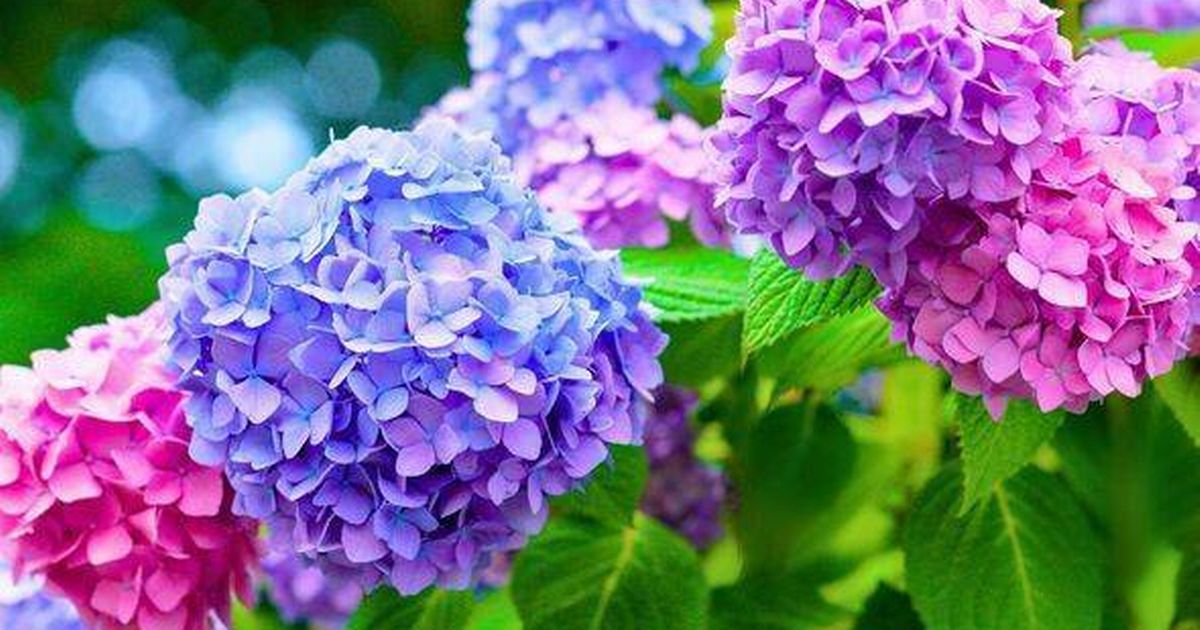
Garden lovers are being issued a stern heads up about their cherished hydrangeas; advice that may sound alarmist but without finding alternative blooms pronto, gardens could quickly lose their charm Hydrangeas are known for their big, beautiful cluster flowers(Image: Getty Images)
Green thumbs beware: your beloved hydrangeas may be in peril. Garden enthusiasts are receiving a serious warning about these cherished blooms; it’s a caution that might seem over the top, but without swift action to find resilient alternatives, your garden’s allure could fade fast.
As the grip of global warming tightens, our once-serene gardens are becoming arenas of survival. With mercury levels on the rise, horticultural experts are sounding the alarm about the challenging future facing our favorite plants, urging gardeners to consider this when caring for their green spaces.
With the temperature gauge steadily inching higher, thirsty plants like hydrangeas – whose growth can be accelerated by a common kitchen scrap – are finding it hard to cope. Regions once hospitable to these flowers now watch them wither amid extended dry spells and brutal heat waves.
READ MORE: Melania Trump signals her ‘anger’ at Trump in humiliating and very public wayREAD MORE: Fears Trump ‘rapidly deteriorating’ as President falls walking up Air Force One steps
Reflecting on the dire impact of extreme weather, a nursery proprietor confided to the Farmiddable Observer: “I lost nearly 70% of my hydrangea collection during the 2022 heat waves despite daily watering. The climate simply doesn’t support them anymore.”
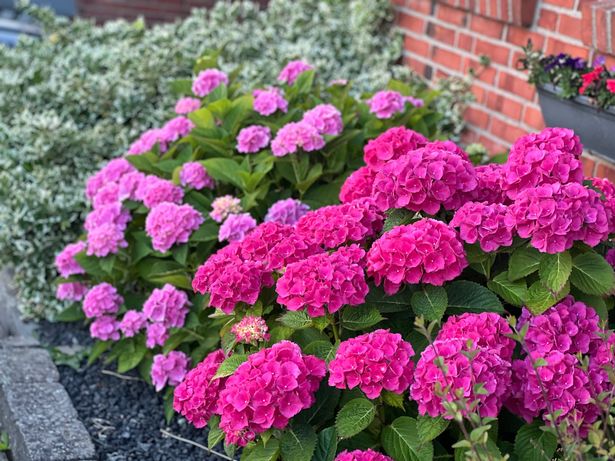 Hydrangeas are popular around the world (Image: undefined via Getty Images)
Tell-tale signs of a hydrangea in distress include leaves that appear scorched, contorted, and a color shift from bright hues to a lackluster tan. Chronicle Live notes that if you spot stems sagging rather than standing tall, it’s an unmistakable indicator that your hydrangea is facing a crisis, reports the Mirror US.
Increasingly, professional gardeners are recommending their clients consider drought-resistant alternatives that still offer a burst of color but require less hydration. They’re proposing plants like lavender, ceanothus, and Russian sage, all of which yield stunning flowers and demand far less maintenance.
For all the latest news straight to your inbox, sign up for our FREE newsletters here.
For added ease, it’s advised that gardeners plant drought-tolerant bulbs in areas typically cooler and more humid to cultivate a resilient garden. These could encompass autumn-blooming perennials and strategic spring plantings, ideally incorporated into your garden before the heat waves strike.
As gardening practices adapt with a focus on climate change, shifting away from hydrangeas appears to be just the beginning. By altering what we plant, we’re not only recognizing the realities of our changing climate, but we can also help reduce the amount of water used for plant care.
The effort once dedicated to tending hydrangeas can now be channeled towards nurturing other plants that will flourish effortlessly under these conditions.
For the latest local news and features on Irish America, visit our homepage here.