
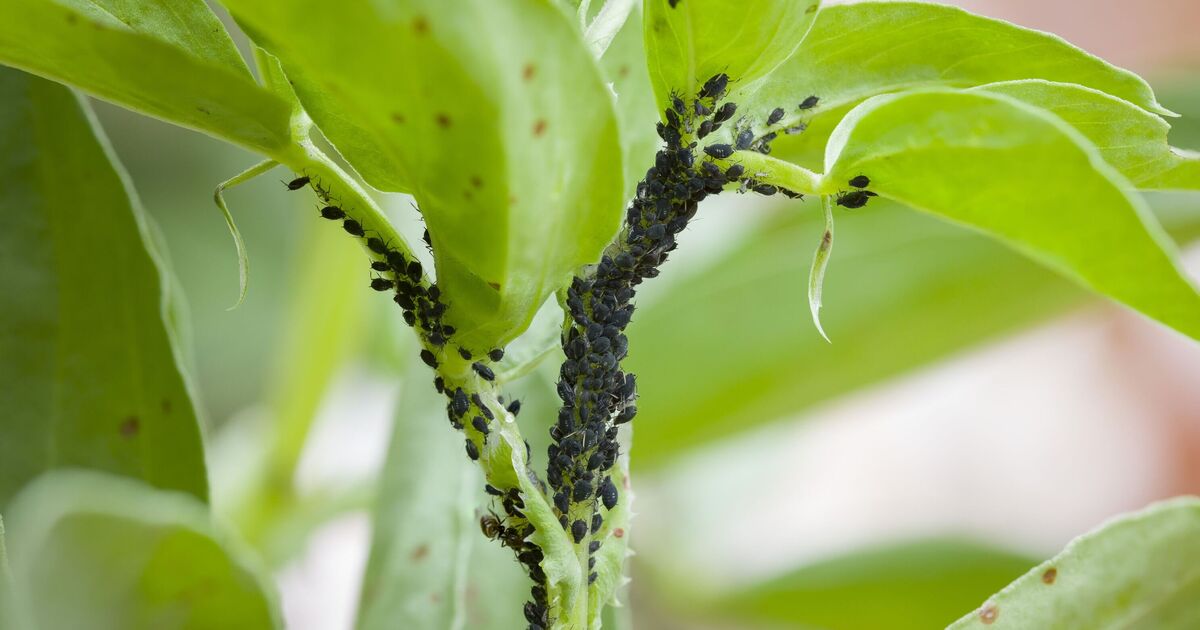
Summer is the ideal season for gardeners to focus on their green spaces, but it also brings a significant rise in pest activity, making vigilance essential. Ants are among the most abundant creatures globally and play a vital role in ecosystems, influencing both fauna and flora. In gardens, they serve as key predators, helping to control greenfly and other aphids, though they can also contribute to soil disturbance.
A gardening expert has shared an interesting way by which ants will leave the garden, and it just requires one item from your kitchen cupboard. Experts from howstuff?works shared that using a cayenne pepper will repel the pests from your garden without killing them. They said: “This approach works just as well for ensuring a bug free home.”
Cayenne pepper serves as a powerful natural repellent for ants. Its pungent aroma and the spicy compound capsaicin interfere with their navigation and can even cause physical irritation.
To deter ants effectively, sprinkle cayenne pepper powder along their trails, entry points, and areas where they tend to gather.
For a more targeted approach, mix cayenne pepper with water to create a spray. Since the spice can wash away after rain or watering, it’s important to reapply regularly to maintain its effectiveness.
According to the Royal Horticultural Society (RHS), ants do little direct damage to plants, although they can disturb soil around plant roots and deposit it on the surface during their nest building activities.
It explained: “This can be an issue on lawns and where low-growing plants are being buried by excavated soil. They may also disturb plant roots in pots and containers. This disturbance can also mean that plants are more prone to wilting especially when dry at the roots.”
The RHS shared that ants should be tolerated in gardens wherever possible, they do not cause direct damage to garden plants and are an important part of the biodiversity gardens can support. They predate many other invertebrates.
It said: “The variety of living organisms (plants, animals, fungi and microorganisms) in a particular environment. Boosting the biodiversity of your garden has many benefits, including supporting wildlife, improving soil health and reducing the likelihood of pest and disease problems.”