
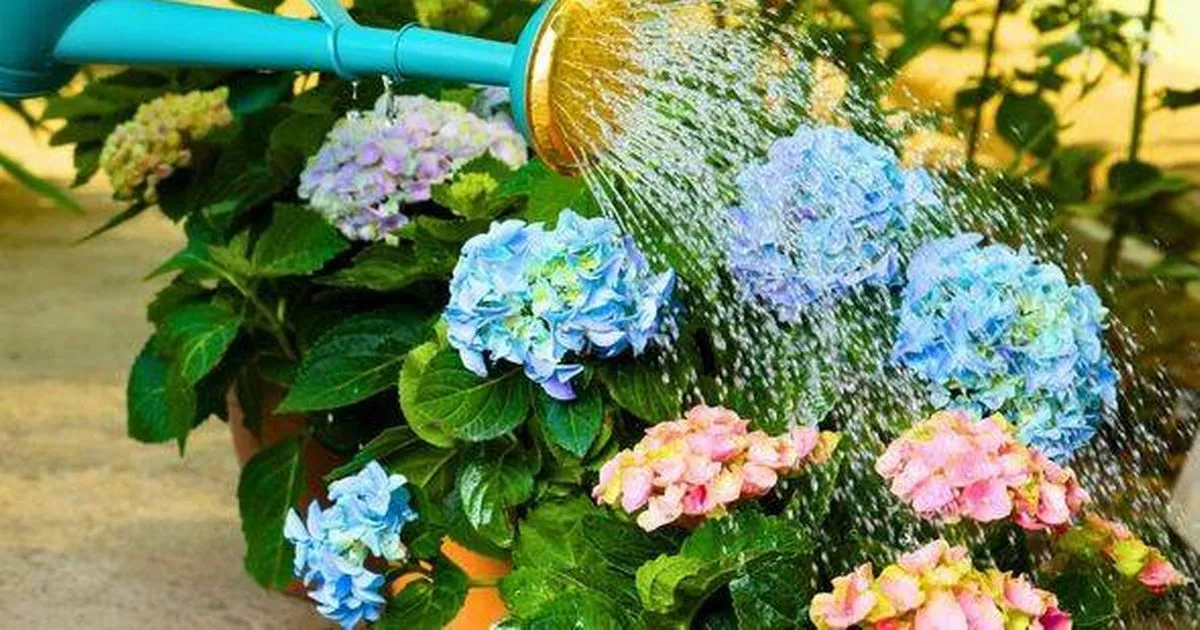
Hydrangeas are a popular plant that is grown in many gardens, but gardeners often make the same mistake when it comes to looking after them in May which can prevent them from flowering properly in the summer
Katherine McPhillips and Jack Hobbs
20:37, 12 May 2025
 Make sure to water hydrangeas in the morning consistently to help them flower(Image: (Image: Getty))
Hydrangeas, with their grandiose cluster flower heads, are a sight to behold, yet many gardeners struggle with their upkeep, often leading to a lack of blooms. As May rolls in and hydrangeas start to sprout anew, gardeners might be tempted to fertilize or prune them, hoping to spur on more lavish flowers later on.
However, Heather Stoven from Oregon State University has issued a caution to those tending these plants: the secret to a bounty of hydrangea blossoms lies in ample watering and steering clear of typical gardening tasks. Heather advised: “Avoid pruning; the resulting lush new growth will be sensitive to further damage from heat waves later in the summer. Also avoid fertilising as excess fertiliser can attract pests to the plant.”
While it may seem intuitive to fertilize plants for more flowers, doing so in May is premature for hydrangeas. Early fertilization leads to fragile growth that likely won’t withstand summer heat and becomes a magnet for insects seeking softer foliage to consume.
READ MORE: Melania Trump admits Barron still creating ‘unimaginable, unpredictable concerns’ in jab at DonaldREAD MORE: Donald Trump melts down in major tantrum as Ukraine war plan in tatters Make sure to water hydrangeas in the morning consistently to help them flower(Image: (Image: Getty))
Many hydrangea varieties, such as bigleaf or oakleaf, have already set their flower buds, and pruning now could mean severing potential blooms, leaving you flowerless.
Now is simply an inopportune time for pruning or fertilizing hydrangeas; both actions can stress the plant during its growth phase, potentially causing harm, reports the Express.
Yet hydrangeas are notorious for their thirst, given their expansive leaves that tend to bid farewell to water swiftly, leading gardeners down the most common blunder in May – not dousing them enough.
 If hydrangeas do not receive enough water in May, they will develop weak foliage that cannot withstand pests or strong sunlight(Image: (Image: Getty))
As spring has sprung and hydrangeas are sprouting anew, now’s the time to provide ample aqua to fortify those burgeoning roots. This preps them to conserve moisture when the high heat of summer hits.
A well-hydrated hydrangea at root level means a plant robust enough to flourish with blooms—or at least survive without succumbing to the pressures of dehydration.
Heather explained: “If not enough water is available in the soil, or it is lost to the atmosphere faster than it can be replaced, then the plant tissue where the water can’t reach will die. This is why we see so many brown, crispy leaf edges. It is also possible for high heat itself to cause tissue death.”
 Hydrangeas will not be able to grow flowers properly if you fertilise or prune them now(Image: (Image: Getty))
Now, caring for your hydrangeas involves a deep soak to ensure soil saturation—yet timing your watering is key.
Get those hydrangeas a morning drink; by the afternoon, you’re up against evaporation which stops moisture from reaching where it needs to go.
Watering in the AM isn’t just about beating the heat—it lets hydrangeas slurp up H2O more effectively, keeping roots quenched all day so they’ll strengthen and thrive.
Heather advised: “Water plants deeply prior to the heat event so that the root zone is well hydrated.”
If you consistently water hydrangeas at the right time, you’ll help these stunning plants reach their full potential, resulting in plenty of large, beautiful blooms come summer.